Media Guide Collecting: Season Programs Worth Saving
July 9, 2026 · 5 min read · By BGLAD
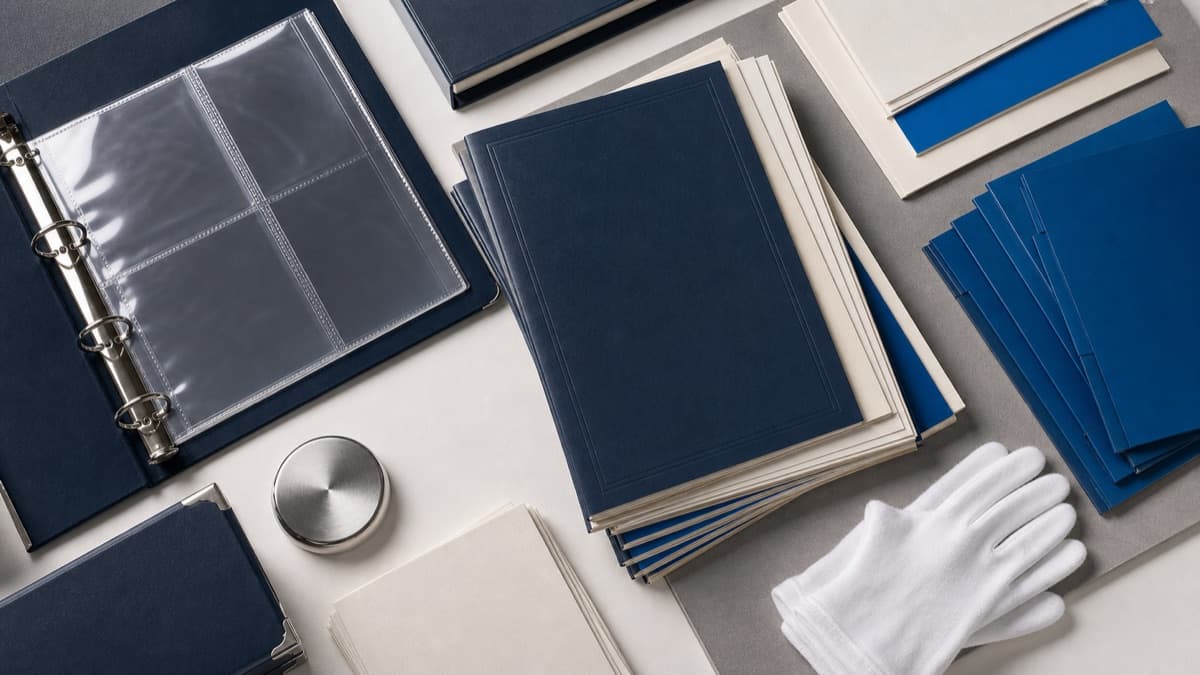
Media guide collecting is the hobby of saving team-issued books and programs that were printed to explain a season, roster, venue, or event. Collectors care because these pieces put names, photos, stats, schedules, sponsors, and team messaging in one dated paper object.
A good guide is not just a stack of pages. It is a source document for how a team wanted to be seen at that moment, and that makes condition, completeness, and era matter more than a casual buyer may expect.
Why teams printed media guides and season programs
Teams printed media guides for practical reasons first. Writers, broadcasters, scouts, sponsors, and front-office staff needed quick access to rosters, biographies, records, schedules, ownership information, staff lists, and venue details. Before every answer lived online, a guide was the portable reference desk.
Season programs served a broader fan purpose. They introduced the roster, sold advertising, explained the schedule, promoted the team story, and gave the buyer something to read and save. Some were sold at games, some were mailed to season-ticket holders, and some were distributed in smaller professional circles.
That split matters to collectors. A glossy fan program may have strong display appeal, while a media guide may have research value. Both fit the wider world of sports media and print collectibles, but they should be judged by what they were made to do.
Media guide scarcity by era and distribution
Scarcity is not only about age. A guide from a popular team can be hard to find if it was distributed in small numbers, discarded after the season, or damaged by use in press boxes and offices. A much older program can be easier to find if fans saved it in large quantities or if unsold stock survived.
Earlier paper often survived by accident. Guides were stored in desk drawers, equipment rooms, press files, basements, and family boxes. Later pieces can look more common because print quality improved, but modern distribution also changed as teams moved information online and cut back on bulky printed reference material.
When we evaluate scarcity, we ask practical questions instead of chasing a vague rare label. Was this a public souvenir or a working press item? Was it tied to one game, one season, or a full year of media use? Was it from a team, league, bowl, tournament, or venue? Those answers usually explain supply better than age alone.
- Pre-digital team guides: often useful research objects, but condition can be rough from office use.
- Stadium and season programs: easier to recognize, often more visual, and commonly collected with tickets.
- Postseason and championship guides: stronger moment appeal, but watch for later souvenir editions.
- Modern printed guides: sometimes scarcer than expected if most information was issued digitally.
Condition standards for season programs
Programs and guides were meant to be opened, carried, marked, stacked, and referenced. That means realistic condition standards are different from cards. A light spine crease on a thick guide may be acceptable; missing pages, heavy water damage, detached covers, and trimmed edges are much more serious.
Completeness is the first condition question. Check that the cover, back cover, center pages, inserts, scorecards, roster sheets, and foldouts are present when the format calls for them. A clean cover does not help much if the best reference pages are gone.
Then look at paper health. Glossy covers can show scratches and corner bends. Newsprint-style interiors can yellow, chip, or become brittle. Staples can rust. Binding glue can dry out. None of that automatically ruins a piece, but the price and storage plan should reflect it.
How to store media guides without causing damage
The safest storage is boring: clean hands, flat support, stable temperature, low humidity, and no direct sunlight. Oversized guides should not hang unsupported from one edge inside a loose bag. Thin programs should not be bent around smaller backing boards just to fit a box.
Use archival sleeves or bags that fit the item, with an acid-free backing board when the paper needs support. Store heavier guides flat or upright with enough support that they do not slump. Keep rubber bands, tape, newspaper, and acidic scrapbooks away from the paper.
If a guide is part of a display with a ticket, photo, or card, separate the items with archival materials. Our framing and displaying tickets guide covers the same light and mounting issues for paper pieces, and the general UV protection framing and cases article is useful before anything goes on a wall.
Common questions about media guide collecting
Are media guides worth grading? Usually no, unless the piece is unusually important, fragile, signed, or being sold into a market that wants third-party authentication. Many collectors prefer raw guides because they can still read and research them.
Should you collect by team, player, year, or event? We like picking a lane first. Team runs reward patience, player-related guides connect to a personal collection, and event guides pair well with ticket stub collecting.
Where should you buy them? Estate lots, paper shows, local collections, and online listings can all work. When comparing available examples, our marketplace listings are a useful place to practice looking at cover wear, spine condition, and description quality before committing to a tougher piece.
Ready to hunt?
Graded slabs, sealed boxes, and live auctions — verified and insured.