Digital Tickets Collecting: Paper Scarcity After Mobile Entry
July 9, 2026 · 5 min read · By BGLAD
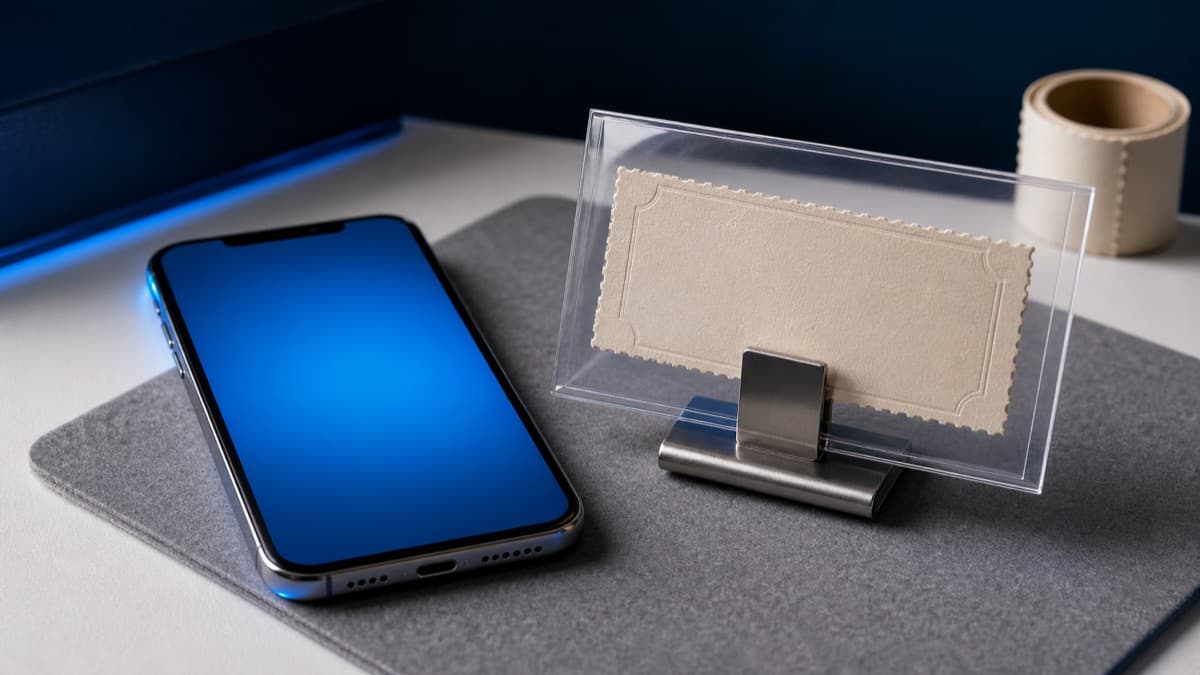
Digital tickets collecting is about preserving proof of an event when the default ticket may never become paper. As mobile entry replaced many hard tickets, collectors started caring more about commemorative stock, credentials, programs, receipts, and other physical mementos tied to the day.
That does not make every modern paper item valuable. Scarcity needs demand, clarity, and a real connection to the event, not just a barcode screenshot or a vague keepsake.
The paper supply cliff in modern ticket collecting
For most of ticket history, admission created a paper trail. Fans received a box-office ticket, season-ticket sheet, printed pass, or stub. Even when most people threw tickets away, enough survived in drawers and scrapbooks to give future collectors something to chase.
Mobile entry changed that pattern. A phone screen can get a fan through the gate without leaving a physical object behind. Print-at-home pages, box-office stock, and mailed season-ticket packages still exist in some situations, but they are no longer the automatic default for every event.
That shift also changes family collecting. A parent may have a drawer of older ticket stubs, while a child may have only app history and photos from the same type of event. If the game matters, it is worth saving the surrounding paper on purpose.
Collectors should treat this as a supply change, not a guarantee of value. Our guide to print runs and scarcity economics explains the bigger point: low supply matters only when enough collectors care about the specific item, event, and format.
What physical ticket mementos still exist
Modern collectors need to think beyond the old stub. The collectible object may be a commemorative ticket, season-ticket holder gift, VIP credential, lanyard, parking pass, printed receipt, wristband, program, or team-issued certificate. Some pieces were designed as souvenirs rather than admission tools, and that should be described clearly.
Commemorative tickets can be attractive and worth saving. The key is not to confuse them with original gate-used tickets unless they actually served as admission. A post-event printed keepsake may be collectible, but it is a different category from a ticket that was scanned, torn, or presented at entry.
We like building a small event packet when the moment matters. Keep the physical ticket or commemorative piece with the program, roster sheet, photos, parking pass, or newspaper page if you have them. Together, those pieces tell the story more clearly than one loose item.
- Box-office hard tickets: still the cleanest modern paper format when available.
- Season-ticket stock: often attractive, but confirm the exact game and event.
- Commemorative tickets: good keepsakes when labeled as commemorative, not gate-used.
- Credentials and passes: useful context pieces, especially for media, staff, VIP, or postseason access.
- Programs and print pieces: often the best paper companion when no traditional ticket exists.
How to collect digital-era tickets without overreaching
The safest approach is to collect what you can explain. If a piece was used for entry, save proof of that format. If it was a commemorative item, keep any packaging, order page, team insert, or letter that shows how it was issued. If it came from a family archive, write down the story while the details are still fresh.
Screenshots and app images are personal records, but they are hard to trade as collectibles. They can document attendance for your own archive, yet most buyers still want a physical item or a clear team-issued digital collectible with durable access and provenance.
A useful archive can be simple: one labeled sleeve, one printed note, and the best physical pieces from the day. The note should say who attended, how the item was obtained, and whether it was admission stock or a souvenir.
Some teams, leagues, and platforms have experimented with NFT or blockchain-style ticket keepsakes. We treat those cautiously. They may matter to a digital collector, but we would not describe them as replacements for paper unless the issuing source, ownership record, and collector demand are all clear.
Authentication language for app-era ticket items
Modern ticket descriptions need precise words. Original admission ticket, print-at-home ticket, commemorative ticket, souvenir stock, replica, credential, and screenshot are not interchangeable. If a seller avoids those distinctions, ask questions before buying.
Photos should show front, back, edges, barcodes if appropriate, seat information, date, opponent, venue, and any issuer text. For high-demand events, compare the piece to other known examples and watch for later reprints or fan-made designs.
If you are buying online, use the same habits we recommend for buying sports cards online safely: clear photos, consistent seller history, specific descriptions, return terms, and no pressure to rush. Our marketplace listings can also be a useful reference for how item descriptions separate original pieces from commemorative ones.
Common questions about digital tickets collecting
Are digital tickets collectible by themselves? Usually they are personal records rather than easy-to-trade collectibles. A physical item tied to the event is still easier for most collectors to store, display, authenticate, and sell.
Will modern paper tickets become valuable because they are scarcer? Some may, but scarcity alone is not enough. Demand still depends on the event, athlete, team, condition, format, and whether collectors understand what the item is.
What should you save from a digital-era event? Save the physical pieces first: commemorative stock, programs, credentials, wristbands, parking passes, and photos. For broader context, pair this with our ticket condition guide so the paper you do have survives cleanly.
Ready to hunt?
Graded slabs, sealed boxes, and live auctions — verified and insured.