UV Protection Sports Memorabilia: Framing & Cases
July 9, 2026 · 6 min read · By BGLAD
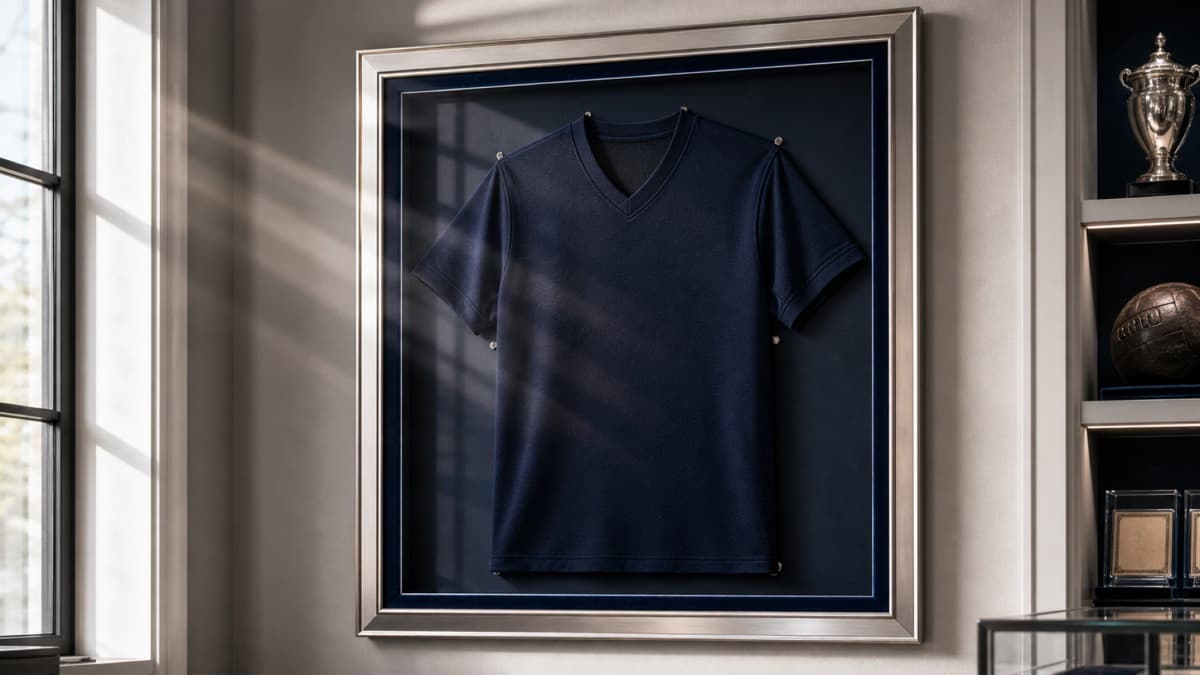
UV protection sports memorabilia care means limiting ultraviolet light, visible light, heat, moisture, and bad materials before they fade ink, weaken paper, or discolor fabric. UV-filtering glass and cases help, but placement, climate, and archival materials matter just as much.
We treat protection as a system. A good frame in a sunny window is still a risky setup. A modest sleeve in a dark, stable room can outperform an expensive display used carelessly.
What UV light does to cards, jerseys, and paper
Ultraviolet light is part of the fading problem, but it is not the only part. Visible light and heat also contribute to change over time. Cards can lose color, paper can yellow or become brittle, ink can fade, and fabric can shift color or weaken. The damage is gradual, which is why collectors often notice it only after comparing an item to an older photo.
Autographs are especially vulnerable because ink sits on or near the surface. A bold signature on a ball, photo, jersey, or ticket can soften in strong light even when the object itself still looks acceptable. Once fading happens, it usually cannot be reversed in a way that restores originality.
For room planning and rotation ideas, see our guide to displaying sports cards and memorabilia at home. Protection starts before you buy the frame.
UV-filtering glass and acrylic display cases
UV-filtering glass and acrylic reduce ultraviolet exposure. They do not make an item invincible. A frame or case can block a high percentage of UV and still allow enough visible light for fading over long display periods. That is why the best practice is filtration plus controlled placement plus rotation.
Acrylic is lighter and less likely to shatter than glass, which can be useful for larger frames and cases. Glass can resist scratching better and may be preferred for some custom framing jobs. The right choice depends on size, weight, display location, budget, and whether the item needs to travel.
For slabbed cards, sealed tickets, and other rigid holders, think about the outer display environment too. A slab on a window shelf is still exposed. A slab in a darker cabinet with occasional lighting is usually a better home. You can compare display-ready graded slabs, but the same light rules still apply after purchase.
- Ask what is filtered: product labels should describe UV protection clearly, not just say premium or museum style.
- Avoid direct sun anyway: UV filtering is a reduction tool, not permission to use a window as a display case.
- Watch heat buildup: closed cases near sunlight or lamps can get warmer than the room around them.
- Keep cleaning simple: use materials recommended for the glazing so you do not scratch acrylic or leave residue near the collectible.
Humidity and temperature basics for collectibles
Light gets most of the attention, but humidity and temperature swings cause plenty of damage. Paper absorbs and releases moisture. Cards can warp. Photos can stick. Fabric can attract mildew in damp spaces. Leather, old glue, and vintage adhesives can dry, crack, or fail when conditions swing too far.
Home collectors do not need laboratory controls for ordinary collections, but they do need common sense. Avoid attics, garages, damp basements, laundry rooms, bathrooms, and exterior walls that change temperature quickly. Keep collectibles away from vents, radiators, fireplaces, and dehumidifiers blowing directly on them.
Stable and boring is the goal. If a room is comfortable for people year-round, away from sun and moisture, it is usually a better candidate than a dramatic display spot with big daily changes.
Archival framing vs hardware-store materials
The word archival gets used loosely, so ask what the material actually does. For paper, we want acid-free or conservation-grade mats, backing, sleeves, and mounts that will not stain, stick, or chemically react with the object. The cheapest cardboard, tape, glue, and craft foam can create problems that stay hidden behind the frame.
Never mount valuable paper with household tape. Tape can stain, pull fibers, dry out, and leave adhesive that is difficult to remove safely. Pressure-sensitive corners, archival hinges, or professional mounting methods are better choices when the item deserves the expense.
Jerseys and textiles need support, not just decoration. Folding, pinning, or stretching fabric too tightly can create stress. A good textile frame spreads weight and avoids permanent attachment when possible. For older items, especially wool, satin, felt, and fragile patches, we would rather slow down and choose the right mount than force a piece into a standard retail frame.
- Use acid-free backing: especially for tickets, programs, photos, letters, and paper ephemera.
- Avoid direct adhesive: no tape, glue dots, spray adhesive, or putty on collectible surfaces.
- Separate materials: keep ink, newsprint, leather, fabric, and glossy photos from touching each other in storage.
- Keep labels: framing receipts and material notes help future buyers or appraisers understand how the piece was preserved.
Maintain cases and rotate light-sensitive items
Protection is not a one-time purchase. Cases collect dust, frames loosen, walls get more sun in different seasons, and rooms change when furniture moves. Check displays a few times a year. Look for fading, warping, condensation, sagging mats, loose mounts, cracked holders, and insects around textile pieces.
Rotation is especially useful for autographs, tickets, programs, vintage photos, and fabric. Display them for a defined period, then return them to dark storage. If you want a permanent visual, consider displaying a lower-risk duplicate, a print, or a less valuable item while the original rests.
This same mindset applies to broader storage. Our collection storage guide covers sleeves, boxes, and basic organization, while the vintage memorabilia guide helps identify which older items deserve extra caution.
Common questions about UV protection sports memorabilia
Does UV glass stop all fading? No. It reduces UV exposure, but visible light, heat, and time can still fade materials. Use UV glazing with smart placement and limited display time.
Are LED lights safe for cards and autographs? Safer does not mean risk-free. LEDs can reduce heat compared with some older bulbs, but brightness and duration still matter. Keep lights low and off when nobody is viewing the display.
Can you fix a faded autograph or jersey? Not in a way that restores original condition. Touch-ups or re-signing change the object. Prevention is the practical answer, especially for irreplaceable or authenticated pieces.
Ready to hunt?
Graded slabs, sealed boxes, and live auctions — verified and insured.