Milestone Tickets: Debuts, Records & Farewells
July 9, 2026 · 5 min read · By BGLAD
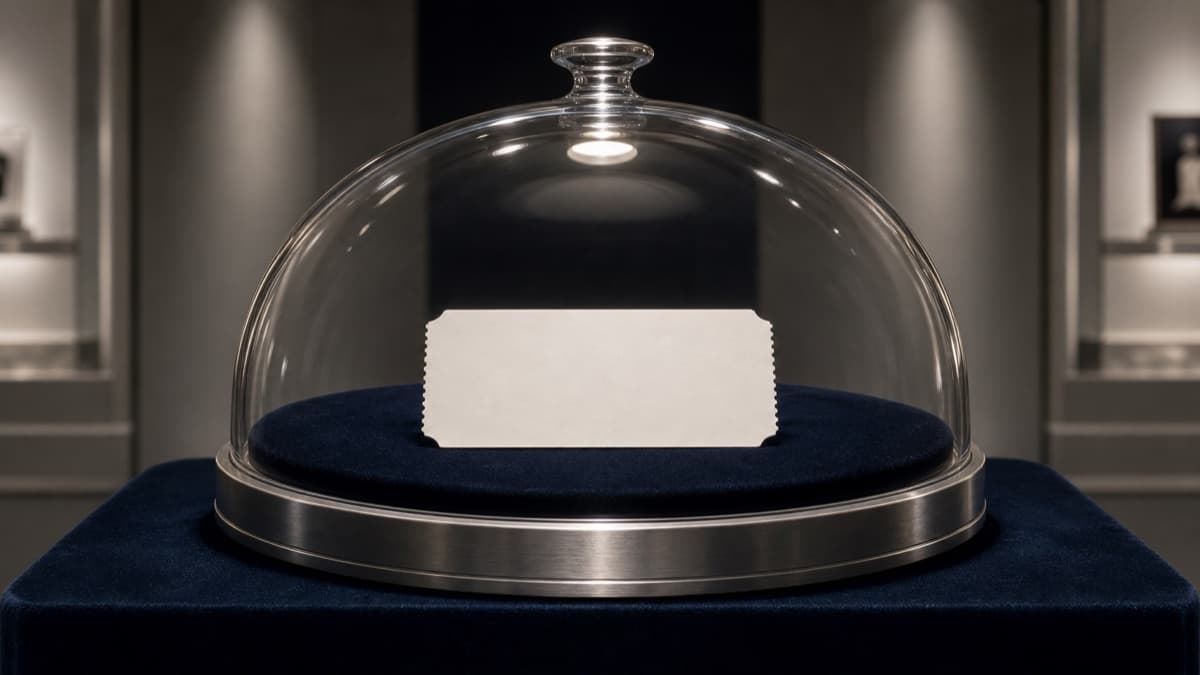
Milestone tickets are tickets tied to a specific game where a debut, record, farewell, or career-defining moment happened. The collecting challenge is proving the ticket belongs to that exact event, not just the season, team, or venue.
The appeal is easy to understand. Cards show the player. Tickets show the doorway into the day. When the attribution is solid, the two categories can work together in a focused collection.
What counts as a milestone ticket
A milestone ticket can mark a professional debut, first home game, first start, first goal, first hit, record-setting performance, final regular-season appearance, retirement ceremony, championship clincher, or another widely recognized moment. The stronger the shared memory around the event, the easier it is for other collectors to understand the ticket.
Not every personal favorite moment becomes a broad hobby milestone. A player's third game, a routine regular-season win, or a nice performance may matter to a team collector without becoming a major ticket category. That is fine. Just price and label it as a personal or niche target, not a universal key.
Collectors who already focus on rookies often understand this instinct. Our guides to rookie card designations and why rookie cards matter explain why firsts carry so much weight in card collecting; tickets can tell a similar story through attendance and event identity.
Exact-game attribution for milestone tickets
Attribution is the foundation. The ticket must connect to the precise game in which the milestone occurred. A ticket from the right season or home stand is not enough. A ticket from the same opponent on a different date is not enough. A playoff strip with multiple possible games is not enough unless the exact game is clear.
Start with the ticket's printed details, then verify the event against reliable schedules, box scores, team records, or league references. Watch for postponed games, doubleheaders, neutral sites, exhibition games, and ticket stock printed before final dates were known.
- Date: confirm the printed date matches the milestone game or understand why it differs.
- Venue: team moves, temporary sites, and neutral games can create confusion.
- Opponent: the opponent helps separate similar dates in the same season.
- Game number: playoffs and doubleheaders often need more than the calendar date.
- Format: full ticket, stub, season-ticket strip, credential, and print-at-home pieces are not identical.
Debut tickets and rookie-card crossover collecting
Debut tickets are natural crossover pieces for card collectors. A rookie card represents the collecting market's first recognized cardboard moment. A debut ticket represents the actual first game, or at least a specific early event tied to the player's career.
The pairing can be powerful when it stays disciplined. A debut ticket, a recognized rookie card, and maybe a program or scorecard from the same game can tell a tight story without becoming cluttered. The ticket does not need to replace the card; it gives the card a date and a building.
Be careful with the word debut. A preseason appearance, minor league debut, major league debut, home debut, playoff debut, and first start can all be different events. Each can be collectible, but the label should say exactly which one it is.
Records, farewells, and player milestone tickets
Record tickets can be exciting because the event is usually easy to explain: a record was tied, broken, extended, or achieved that day. Still, the exact milestone matters. A ticket from the season of a record is not the same as a ticket from the game where the record actually changed.
Farewell tickets bring a different kind of demand. Final games, retirement ceremonies, last home appearances, tribute nights, and announced farewell tours can all attract collectors. The cleanest examples are tied to a widely recognized final appearance or ceremony, not just a late-career game that became important later.
This is where context protects you. Keep notes with the ticket: the date, what happened, why the game matters, and how you verified it. A future buyer, family member, or trading partner should not have to rebuild your research from scratch.
Condition and authentication for milestone tickets
Condition still matters, but event importance can carry a flawed ticket. A torn stub from a major debut may be more desirable than a clean full ticket from an ordinary game. The issue is whether the remaining piece still proves the event and presents well enough for your collection.
Authentication becomes more important as the event gets bigger. Reprints, commemoratives, print-at-home copies, and souvenir designs can look convincing in online photos. Compare paper, printing, barcodes, seat information, sponsor marks, and event language before assuming originality.
When we list tickets through our marketplace, we try to describe format and event context clearly because those details drive the collecting decision. For holdered examples, graded tickets explained covers what authentication and grading can add.
Common questions about milestone tickets
Do milestone tickets need to be graded? No. Grade when authentication, protection, or resale clarity matters enough to justify the fee. Raw tickets can be fine when stored archivally and documented well.
Are minor league or college milestone tickets collectible? Yes, especially for player collectors, but demand is usually more specialized. Be precise about the level of play and why the event matters.
What if the ticket is from a season-ticket sheet or mobile era printout? It can still be collectible if it is original to the event and clearly attributed. Describe the format plainly so no one mistakes it for a traditional hard ticket.
Ready to hunt?
Graded slabs, sealed boxes, and live auctions — verified and insured.