Sports Print Collectibles: SI, Posters & Media Guides
July 9, 2026 · 5 min read · By BGLAD
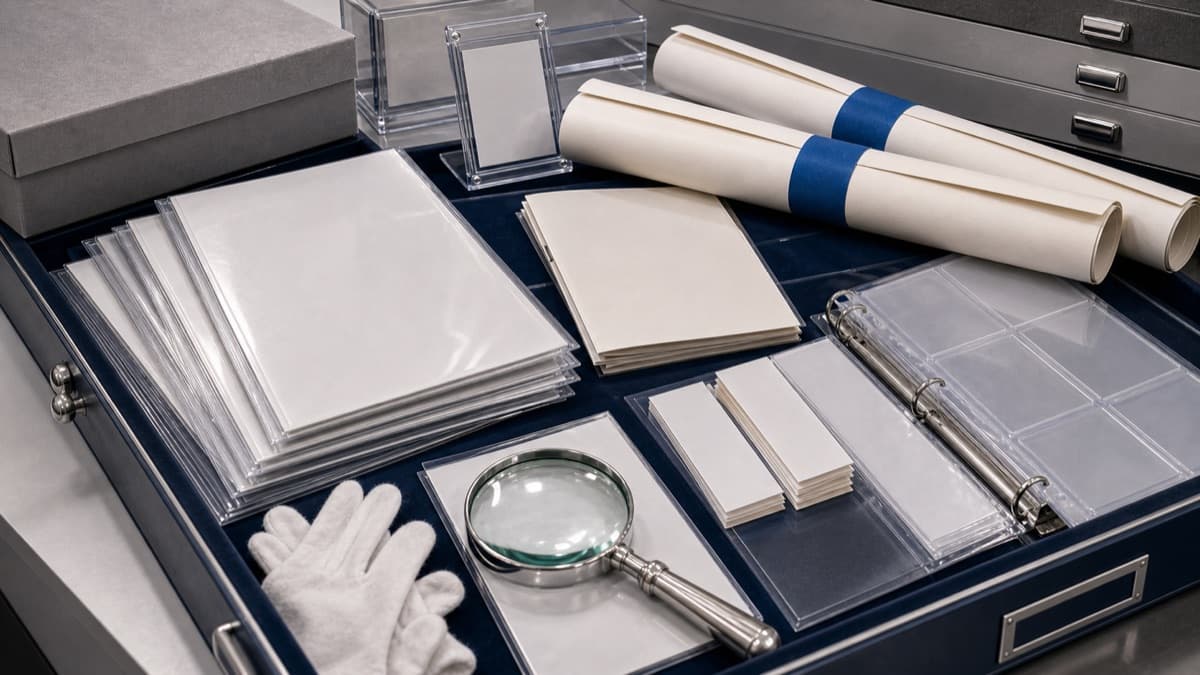
Sports print collectibles are paper-based items like magazines, posters, media guides, programs, scorecards, schedules, and press materials. They matter when they capture a player, team, event, design, or moment in a form that collectors still want to read, display, or preserve.
Print can feel common because it was made to be consumed, but that is exactly why clean examples can be harder than expected. Paper was folded, read, taped to walls, stacked in garages, mailed, clipped, and thrown away.
What counts as sports print collectibles
The category is broader than one magazine brand or one famous cover. It includes national magazines, local newspapers, team yearbooks, media guides, stadium programs, scorecards, posters, schedules, postcards, advertising sheets, press kits, preview books, and special issues tied to championships or major events.
Each format has a different reason to survive. Magazines connect to public attention and cover imagery. Programs and scorecards connect to a specific event. Media guides carry roster, staff, stadium, and team information that researchers and team collectors often appreciate. Posters bring size and visual impact. Schedules and advertising pieces connect sports to a local place and sponsor.
If you already collect vintage memorabilia, print is often the connective tissue. Our vintage sports memorabilia guide explains how paper items sit beside tickets, pennants, equipment, and advertising in a focused collection.
Why some sports magazines matter
A magazine matters when the cover, issue date, subject, photography, writing, or cultural moment still has collector demand. A star's early national attention, a championship issue, a farewell issue, a major rivalry, a regional hero, or a memorable cover design can all create interest. The issue does not need to be old to be meaningful, but age can make condition harder.
Condition is usually the separator. Many magazines were read hard, folded, addressed by mail, clipped for photos, or stored in stacks that bent the spine. A clean newsstand-style copy may appeal differently than a subscription copy with a mailing label. Inserts, posters, cards, and loose supplements matter if they were originally included.
We are careful with assumptions. Not every famous athlete cover is scarce, and not every sealed or unread copy is automatically valuable. Demand is strongest when the subject, condition, completeness, and visual appeal all work together.
Posters, media guides, programs, and what survives
Posters are display objects first. Size, color, folds, pinholes, tape, edge wear, and fading can affect whether a poster still presents well. Rolled posters are not automatically better than folded ones if the paper is brittle or stained, but heavy fold wear can limit display appeal.
Media guides and team publications are different. Collectors value them for information, roster context, photography, team branding, and sometimes a specific player or season. Because they were working reference materials, many surviving copies have notes, bent corners, spine wear, or press-box handling. That use can be acceptable, but missing pages and water damage are harder problems.
Programs and scorecards live between print and event memorabilia. A scored program can be more interesting if the game matters, while a clean unscored example may be preferred for display. Our vintage programs and scorecards guide goes deeper on that category, and ticket collectors may also want the related ticket stub collecting guide.
Condition standards for paper sports collectibles
Paper condition should be judged by format and purpose. A folded stadium poster, a mailed magazine, a press-used media guide, and a glossy retail poster should not be graded in your head the same way. The better question is whether the flaws are expected, disclosed, stable, and acceptable for your collection.
For resale, clear condition language matters. Say if there is a mailing label, writing, detached cover, clipped page, missing poster, tape, fading, brittle paper, foxing, water staining, odor, or heavy spine wear. Good photos should show corners, spine, back cover, centerfold, and any inserts or labels.
- Completeness: confirm pages, inserts, posters, cards, staples, covers, and supplements.
- Surface: check stains, foxing, ink transfer, writing, scuffs, label residue, and fading.
- Structure: look for spine splits, loose staples, tears, brittle edges, folds, and rolled memory.
- Storage history: smoke, moisture, attic heat, and basement storage can leave lasting damage.
- Display appeal: make sure the image or cover you care about presents cleanly from normal viewing distance.
Storage, framing, and buying sports print collectibles
Paper needs stable storage more than complicated storage. Use clean sleeves, backing boards, folders, flat files, or archival boxes that fit the object without forcing it. Avoid direct sunlight, damp basements, hot attics, pressure from heavy stacks, and tape repairs that create a bigger problem later.
Framing can make a poster, magazine cover, or program look excellent, but use materials that respect the paper. UV-filtering glazing, acid-free backing, and reversible mounting are worth considering for better pieces. Our UV protection framing and cases guide is a good next read before putting fragile paper on a wall.
When buying online, look for sellers who photograph the actual item and describe labels, folds, inserts, and page completeness. We occasionally place paper memorabilia in our marketplace listings, and the same rule applies there: the condition notes should answer the obvious questions before the item arrives.
Common questions about sports print collectibles
Are old sports magazines valuable? Some are, but age alone is not enough. Subject, cover appeal, condition, completeness, demand, and whether similar copies are easy to find all matter.
Should posters be linen-backed or restored? Sometimes professional conservation makes sense, especially for scarce display pieces, but restoration should be disclosed. For many sports posters, stable original condition is more desirable than heavy work done only to make the item look new.
Is a media guide collectible if it has writing inside? Often yes. Light notes may fit the working nature of the piece, especially if the guide is otherwise complete. Missing pages, heavy water damage, and detached sections are bigger concerns.
Ready to hunt?
Graded slabs, sealed boxes, and live auctions — verified and insured.