Championship Tickets: Collecting the Big One
July 9, 2026 · 5 min read · By BGLAD
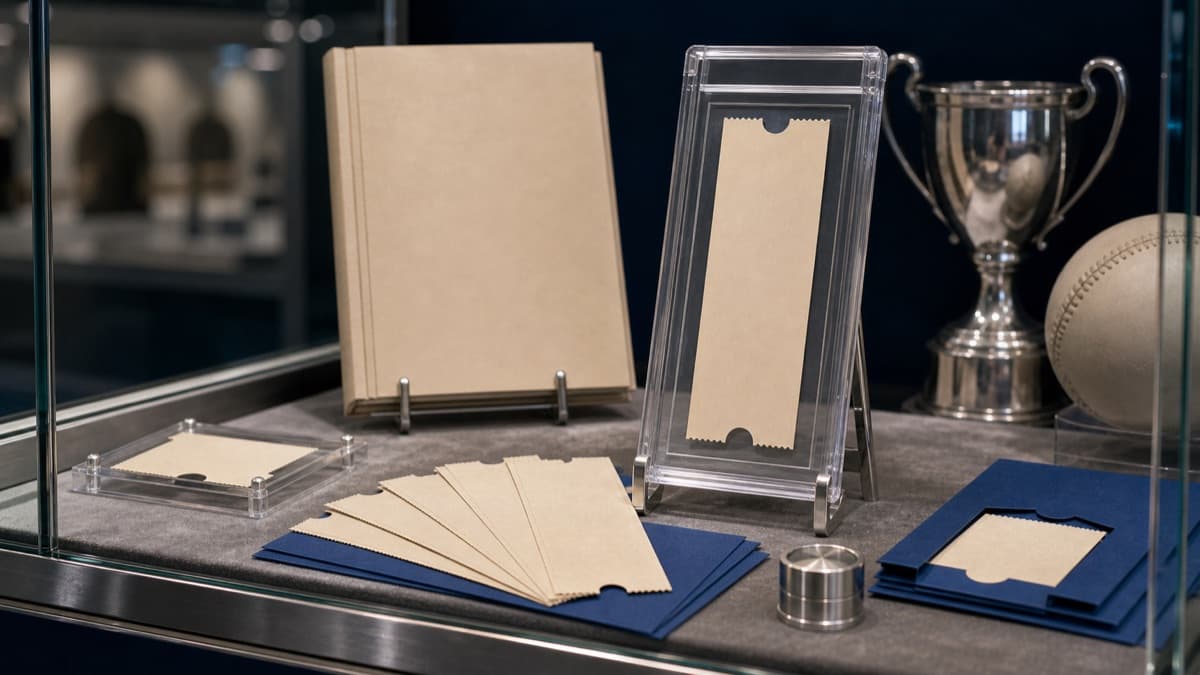
Championship tickets are collected because they place a specific fan in the building for a title game, not just near a team or season. The best buys are accurately identified, original to the event, and priced with condition, format, and demand in mind.
A ticket can be a small object with a lot of context. Date, venue, opponent, league, game number, seat location, and whether the ticket is full, stubbed, unused, or commemorative all affect how collectors read it.
Why title game tickets have lasting appeal
Championship material sits at the intersection of team history and event collecting. A ticket from a title-clinching game is not just a logo piece. It is tied to a final score, a building, a crowd, and a moment fans still talk about years later.
Collectors approach the category in different ways. Some chase their favorite team's biggest wins. Some build one-ticket type collections across sports. Some pair a championship ticket with a program, photo, newspaper, or signed item from the same event. Our guide to championship memorabilia covers the broader category if you want to build around a single season or title run.
The most important habit is specificity. Championship series can have several games, and not every game has the same meaning. A clinching-game ticket usually carries a different story than a ticket from an earlier round or a non-clinching game in the same series.
Full tickets vs stubs and condition premiums
Full unused tickets often bring a premium because fewer survived intact and because the whole design, seat information, and terms remain visible. Stubs can still be highly collectible, especially for famous events, but the tear, missing section, and remaining information matter.
Condition should be judged honestly. A neat admission tear is expected on many stubs. Heavy creases, tape, paper loss, writing, fading, stains, and trimmed edges are different issues. With tickets, a small missing corner can remove a date, seat, opponent, or game identifier that collectors need for attribution.
- Full ticket: usually strongest when unused, complete, and clearly tied to the event.
- Stub: accepted by many collectors, especially when the event is important and the identity is clear.
- Season-ticket stock: may look different from box-office or sponsor versions, so compare carefully.
- Media or credential pieces: collectible, but not the same as a paid admission ticket.
- Commemorative issue: attractive as a souvenir, but it should not be priced as an original ticket.
Confirm the exact championship game
Before buying, confirm the sport, league, year, venue, teams, game number, and whether that game actually decided the title. Do not rely only on a seller's headline. Ticket designs can be reused across playoff rounds, and some tickets were printed before the opponent or date was final.
Use the ticket itself as evidence. Look for printed date, section, opponent, round, game number, venue name, sponsor marks, and any handwritten notations. Then compare those details to schedules and reliable references. The process is similar to what we recommend in our ticket stub collecting guide: identify the event before you debate the price.
Be especially careful with multi-game series. A ticket to Game 1 of a championship series may be desirable, but it is not the same object as a clinching Game 6 or Game 7. The listing should make that distinction clear.
Spotting reprints and commemorative championship tickets
Reprints, replicas, souvenir sheets, fantasy tickets, and later commemoratives can be fun to own, but they need to be labeled correctly. Problems start when a piece made after the event is described in a way that sounds like original admission stock.
Look for modern paper, missing seat information, generic numbering, facsimile language, sponsor logos that do not match the period, and designs that seem too clean for the claimed age. Also check whether the item was part of a stadium giveaway, team promotion, anniversary set, or framed display product.
At our auctions, the language around original, stub, full ticket, reprint, and commemorative matters because buyers are not bidding on the same thing. Slow down when a listing uses big-event language but avoids saying original ticket.
Grading championship tickets and holder choices
Grading can help when authentication, preservation, or resale confidence matters. A holder can identify the event, describe whether the piece is full or stubbed, and protect fragile paper from handling. It can also make storage easier for collectors who already organize cards and tickets in graded formats.
That said, not every championship ticket needs a holder. A lower-value modern ticket, a piece kept in a personal team binder, or an item that already has clear provenance may be fine raw in archival storage. The grading fee should make sense relative to the ticket's importance and your reason for owning it.
If you are comparing raw and holdered examples, read graded tickets explained. The main question is not whether a slab looks good. It is whether authentication, protection, and market clarity justify the cost.
Common questions about championship tickets
Does seat location matter? Sometimes. Premium seats, notable sections, or tickets connected to a known attendee can add interest, but most collectors start with the event, originality, and format before seat location.
Are full tickets always better than stubs? Full tickets are often preferred, but an original stub from a landmark game can be more meaningful than a full ticket from a less important event. Context decides.
Are digital or print-at-home championship tickets collectible? They can be, especially for modern events, but the market treats them differently from traditional hard tickets. Save supporting proof, keep the printed piece flat, and be clear about the format.
Ready to hunt?
Graded slabs, sealed boxes, and live auctions — verified and insured.