Pre War Cards: A Tobacco Era Primer
July 9, 2026 · 6 min read · By BGLAD
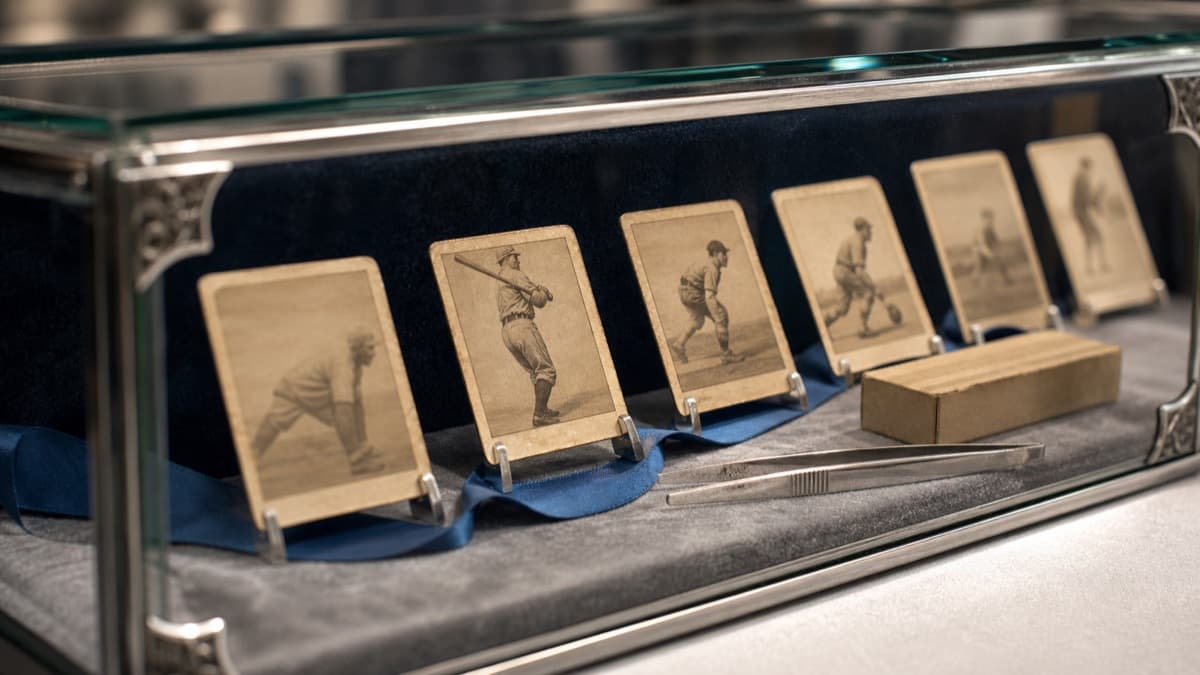
Pre war cards are sports cards generally issued before World War II, with tobacco, candy, gum, and caramel issues forming much of the hobby's early foundation. Start with authentication and condition expectations before chasing famous names, because age alone does not make a card safe or valuable.
Collectors love these cards because they feel close to the beginning of organized sports collecting. The tradeoff is that every detail matters: issuer, size, back, paper stock, trimming, creasing, album residue, and whether the card is the type of original the listing claims it is.
Why pre war sports cards feel different
Modern cards usually arrive with brand names, checklist databases, parallels, and factory packaging. Early cards were often advertising pieces, premiums, or inserts meant to sell tobacco, candy, bread, or gum. That history is part of the appeal, but it also means the hobby vocabulary can feel strange at first.
A pre-war card may be described by a catalog number, a nickname, the advertising back, the product issuer, or the player pose. Before comparing prices, make sure you know which identity is being discussed. Our guide to vintage vs modern cards is a useful starting point if you are used to today's card language.
- Set or issue: the hobby name, catalog number, or commonly accepted title.
- Subject: player, team, sport, pose, or variation if one is known.
- Issuer and back: the company or product advertised on the reverse.
- Size and stock: many early issues do not match modern card dimensions.
- Condition notes: creases, paper loss, stains, writing, trimming, or glue residue.
Famous tobacco era and early candy sets
At a common-knowledge level, the names most collectors hear first are Old Judge, T206, T205, Cracker Jack, American Caramel, and 1933 Goudey. Those names cover different products, years, formats, and visual styles, but they show the range of early card collecting: studio photos, lithographed portraits, gold borders, bold gum-card color, and advertising backs that can matter almost as much as the front.
The T206 White Border issue is the best-known tobacco era entry point, partly because of its broad checklist and partly because the Honus Wagner card became one of the hobby's landmark objects. That does not mean every T206 is rare. Many common players exist in collector-grade condition, while certain backs, poses, and Hall of Famers bring much stronger demand.
Goudey cards sit closer to the gum-card tradition many modern collectors recognize. Cracker Jack cards bring their own following because of the product tie-in and distinctive red background. The lesson is simple: learn the issue before buying the player. The same athlete can appear in very different pre-war formats with very different risk profiles.
Survival scarcity and honest condition
Pre-war condition standards are not modern condition standards. A card can have rounded corners, paper toning, a crease, or light back damage and still be a desirable survivor. Many were handled by children, pasted into albums, stored in tobacco tins, carried in pockets, or left in damp boxes for decades.
Scarcity also has layers. Some cards are scarce because the original issue was limited. Others are scarce only in high grade. Others are easy enough to find, but hard to find with clean paper, original size, and no hidden work. That is why we would rather see a transparent lower-grade card than a polished mystery card with vague condition language.
When comparing options, separate visual appeal from technical grade. A well-centered card with one honest crease may look better in a collection than a higher technical grade with heavy staining or an awkward cut. Buy the card you can explain clearly.
Authentication comes before pre war card value
Authentication is the first job. Early cards are copied, trimmed, recolored, skinned, rebacked, and sometimes misidentified by sellers who may not understand what they have. A card that looks old is not automatically original, and a card in poor condition is not automatically authentic.
Look for consistent paper, natural aging, expected measurements, believable printing, and wear that matches the story. We cover alteration clues in how graders detect alterations, but pre-war material rewards extra caution because small changes can affect both trust and value.
For shoppers who want a cleaner starting point, our graded slabs can help narrow the field to cards that have at least been reviewed by a third-party holdering service. A holder is not a substitute for learning, but it can reduce avoidable beginner mistakes.
- Measure the card: compare size to a trusted reference for that exact issue.
- Inspect edges: trimming often shows as unnaturally sharp, uneven, or freshly exposed paper.
- Study the back: advertising backs, album paper, and staining can tell a more honest story than the front.
- Avoid vague listings: words like old-style, reprint, tribute, and commemorative need careful reading.
Entry points for beginning pre war cards
A practical entry point is a common player from a widely collected issue, bought from a seller who describes condition plainly. Type collecting is another smart path: one representative card from T206, one from T205, one caramel card, one gum card, and so on. That gives you education without forcing you into a single expensive checklist.
Low-grade Hall of Famers can also make sense, but only when the flaws are stable and obvious. Heavy creases, paper loss, pinholes, and writing may be acceptable if priced accordingly. Trimming, recoloring, and undisclosed restoration are different problems because they change what the card is.
If you are deciding whether to submit a raw vintage card, read grading vintage cards before spending the fee. Sometimes authentication alone is the goal. Sometimes a raw card is best left raw because the likely grade will not justify the all-in cost.
Common questions about pre war cards
Are all tobacco cards valuable? No. Desirability depends on the issue, player, back, condition, authenticity, and collector demand. A common card in rough shape can be affordable, while a scarce back or major Hall of Famer can be much harder to buy.
Is it safe to buy raw pre-war cards? It can be, but only if you know the issue or trust the seller. For most new collectors, a mix of authenticated examples, careful raw purchases, and hands-on learning is safer than chasing bargains from unclear photos.
Should every pre-war card be graded? No. Grade when authentication, resale confidence, or preservation justifies the cost. Leave lower-value cards raw when you understand them, can store them safely, and do not need the holder to enjoy the collection.
Ready to hunt?
Graded slabs, sealed boxes, and live auctions — verified and insured.