Card Alterations: How Graders Catch Trimming & Recoloring
July 9, 2026 · 5 min read · By BGLAD
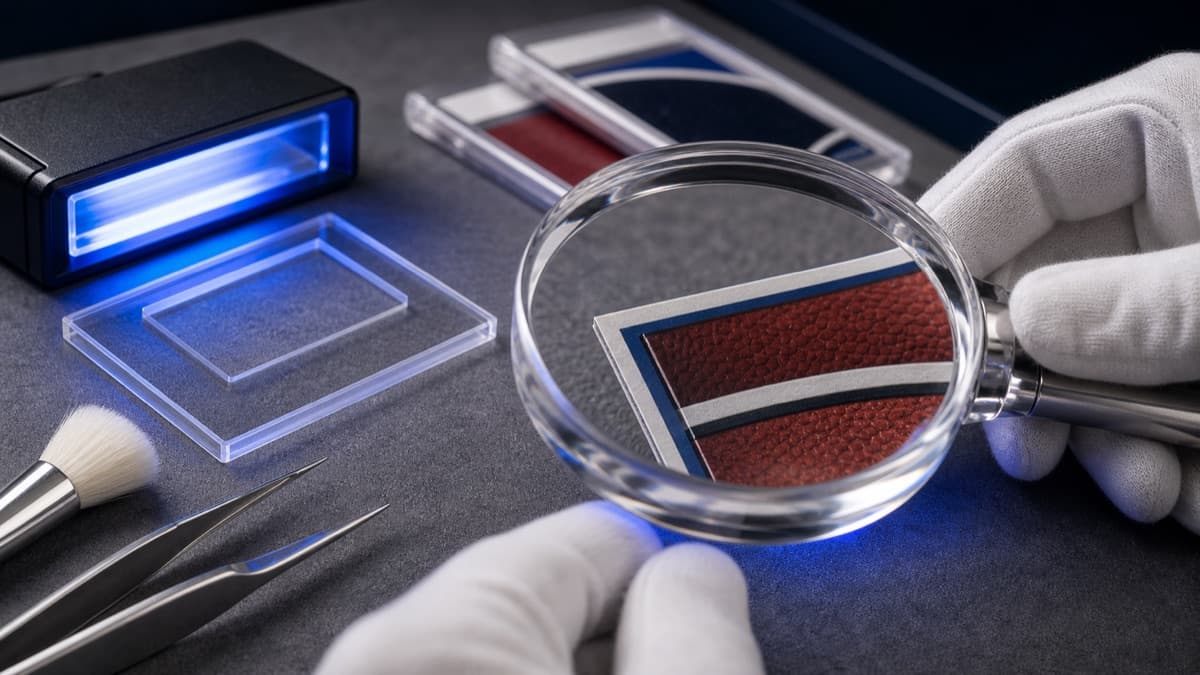
Card alterations are changes made to improve how a card looks while hiding or reducing flaws, and graders look for them because altered cards no longer represent original condition. Trimming, recoloring, pressing, sanding, and aggressive cleaning can all turn a valuable card into a problem.
We want collectors to understand the warning signs before money changes hands. You do not need a grading room to protect yourself, but you do need to slow down when a card looks too clean for its age, issue, or price.
Common card alterations graders look for
Trimming is the alteration most collectors fear. It means material has been cut from one or more edges to sharpen the card, remove wear, or improve centering. A trimmed card may look cleaner at first glance, but the size, edge texture, or design spacing can give it away.
Recoloring is another common issue, especially on cards with dark borders or obvious corner wear. Ink, marker, pencil, or other color can be added to hide whitening. Pressing and flattening try to reduce bends or creases. Surface work can include polishing, residue removal, sanding, or other attempts to make a card look smoother than it is.
Not every flaw is alteration. Factory rough cuts, print defects, wax stains, gum stains, and natural age can be legitimate condition issues. The question graders ask is whether the card has been changed after production. Our guide to fake cards and slabs covers the wider authenticity picture.
- Trimming: cutting edges to change size, sharpness, or centering.
- Recoloring: adding color to hide whitening, chips, or paper loss.
- Pressing: using pressure to reduce bends, wrinkles, or creases.
- Surface work: polishing, sanding, or chemical cleaning that changes the original surface.
How graders detect trimming and size issues
Graders compare the card to known examples, expected dimensions, print registration, border spacing, and edge characteristics. A card can be short, narrow, uneven, or suspiciously sharp in a way that does not match the issue. The card does not have to be dramatically smaller to raise concern.
Edges tell a lot. Original cuts often have a texture that matches the manufacturing method and age of the card. A newly cut edge may look too smooth, too sharp, too bright, or inconsistent with the other sides. Under magnification and angled light, a suspicious edge can stand out even when a scan looks fine.
Centering is part of the story too. A card with perfect-looking centering but odd border relationships, missing design space, or one edge that feels different deserves extra attention. This is one reason we tell collectors not to judge a vintage card by front centering alone.
How recoloring and surface work show up
Recoloring often shows under magnification because added color sits differently from original ink. It may collect in paper fibers, look too dark, bleed into a border, or appear only in damaged spots. On glossy or chrome cards, surface work can leave haze, fine scratches, uneven gloss, or residue.
Light angle matters. A card can look clean straight on and then reveal wiped areas, dents, wrinkles, or gloss disruption when tilted. Graders use light, magnification, experience with the issue, and comparison points to decide whether the surface is original condition or has been worked on.
Collectors can borrow the basic habit without pretending to be experts. Use bright indirect light, tilt the card slowly, inspect all four corners, and compare the suspect area to the rest of the card. The same inspection routine in prep cards for grading helps you catch problems before submission.
- Color that appears only on worn tips or chipped borders.
- Gloss that changes in a small area while the rest of the card looks normal.
- Fibers, paper loss, or dents that remain visible below added color.
- Residue, odor, or slickness that does not match the card stock.
Why altered cards get no-grade results
When collectors say an altered card got bagged, they usually mean the card was returned without a normal numeric grade or was labeled with an alteration-related result. Exact terminology varies by grading company and situation, but the idea is simple: the company is not willing to certify the card as original, unaltered condition.
That outcome protects the grading scale. A trimmed card with sharp corners cannot be compared fairly to an original card with the same visual appeal. A recolored card may hide damage that would have lowered the grade. If altered cards received normal grades, the label would mislead buyers.
An alteration result does not always mean the card is worthless. Some rare vintage cards still have collector interest when clearly disclosed. But the market is different, the buyer pool is smaller, and the price should reflect the problem. Our grading vintage cards article explains why authenticity and originality matter so much on older cardboard.
Common questions about altered cards
Can a raw card look great and still be altered? Yes. That is the point of many alterations: to make the card look better than its true condition. Strong photos, measurements, provenance, and trusted sellers reduce risk but do not eliminate it.
Should you buy altered cards? Only with full disclosure and a price that reflects the issue. If you are shopping online, use clear photos, return policies, seller history, and comparable marketplace listings to avoid paying unaltered money for an altered card.
Can cleaning a card become alteration? Yes, if the cleaning changes the surface, removes original material, adds substances, or hides damage. Removing loose dust is different from polishing, soaking, scraping, or recoloring. When in doubt, leave the card alone.
Ready to hunt?
Graded slabs, sealed boxes, and live auctions — verified and insured.