Ticket Condition: Creases, Tears, and Stub Reality
July 9, 2026 · 5 min read · By BGLAD
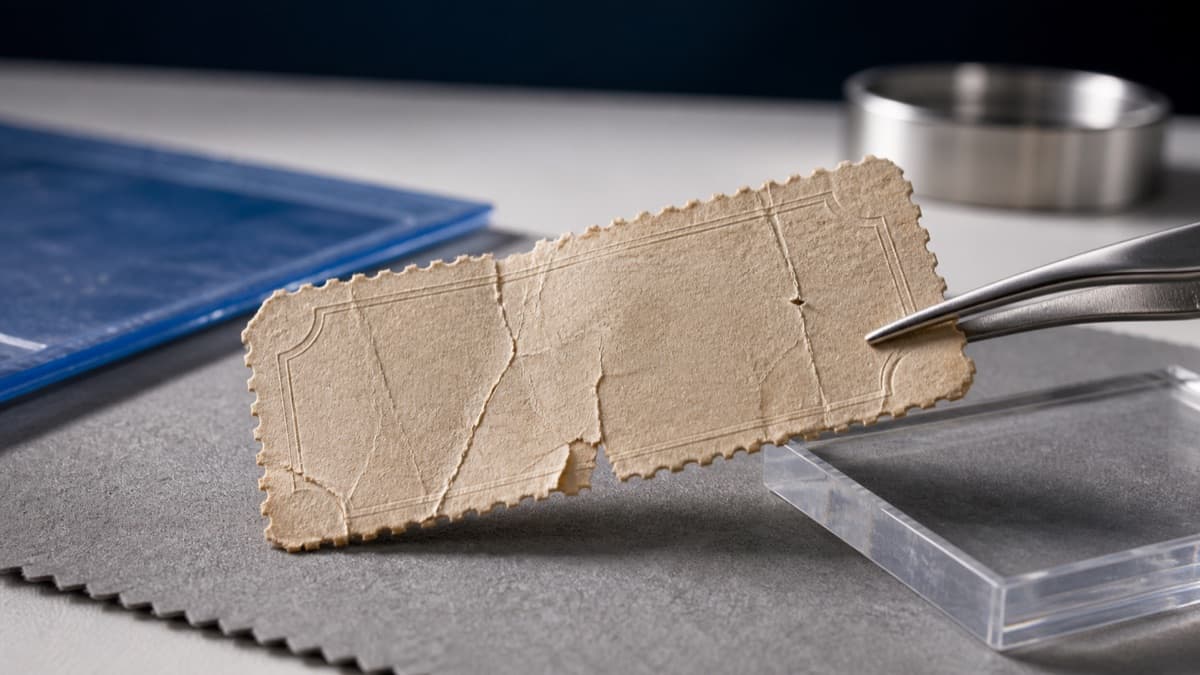
Ticket condition is the way collectors judge a ticket's paper health, completeness, eye appeal, and event-use wear. The trick is that many tickets survived in pockets, wallets, scrapbooks, and turnstiles, so perfect standards are often unrealistic.
A ticket can be heavily loved and still collectible. The question is whether the flaws match the age, format, and importance of the event, and whether the price treats those flaws honestly.
Why ticket condition is different from card condition
Cards were usually collected as objects. Tickets were usually used as tools. They were handed to an usher, torn at the gate, folded into a pocket, slipped into a program, marked with a pen, stapled to a scrapbook page, or stored in a shoebox with other paper. That history is why ticket condition needs a different mindset.
A high-grade card standard can make a normal used ticket look worse than it really is. A stub with a clean gate tear, readable date, and strong design can be desirable even if it has light bends. A ticket missing the team, date, seat, or event information is a different problem because the object has lost part of its identity.
For background on formats, our ticket stub collecting guide explains the difference between full tickets, stubs, season-ticket stock, and commemorative pieces. Condition only makes sense after the format is identified.
Creases, tears, holes, and surface flaws
Creases are common because tickets are thin and were carried. A light handling bend is not the same as a hard fold that breaks the paper fibers or runs through the main event information. Multiple heavy folds can make a ticket display poorly and can weaken the paper over time.
Tears need context. A rough turnstile tear on a stub may be normal. A long tear into the date, team name, or seat line is more serious. Missing corners, clipped edges, tape repairs, glue residue, and scrapbook backing all need a careful look because they can affect both grade and future preservation.
Surface flaws include stains, writing, fading, smudges, sunning, pinholes, staple holes, and paper loss. Some marks are part of the story, especially on older pieces, but they should be visible in photos and described clearly. Hidden tape on the back is not a minor detail.
- Light handling: small bends, soft corners, and ordinary pocket wear.
- Structural damage: hard folds, split paper, detached pieces, and long tears.
- Surface issues: staining, fading, writing, tape, glue, and scrapbook residue.
- Information loss: missing date, venue, teams, seat, barcode, or event wording.
What ticket graders and buyers notice first
Third-party graders and experienced buyers start with authenticity and format, then move to condition. They look at whether the ticket is complete for what it claims to be, whether the paper and printing make sense, and whether any damage changes the integrity of the item.
Eye appeal still matters. A lower-grade ticket with centered design, strong color, and readable details can be easier to enjoy than a technically cleaner ticket with bad fading or a distracting stain across the main image. For collectible paper, the front and back both matter because backs often carry disclaimers, ads, seat data, or printing clues.
If you are considering encapsulation, read graded tickets explained before spending money. Slabbing can help for authentication, protection, and resale confidence, but it will not erase a crease or make a rough stub into a clean full ticket.
Realistic ticket condition standards by era
Older tickets deserve realistic expectations, but realistic does not mean careless. A century-old piece can have toning and corner wear while still being strong. A modern hard-stock commemorative with the same flaws may be less acceptable because it had a better chance to survive cleanly.
Event importance also changes the standard. For a common regular-season ticket, condition may be the deciding factor. For a scarce debut, final game, championship, or stadium event, collectors may accept flaws because replacement is hard. The flaw should still be priced in.
Compare like with like whenever possible. A pocket-carried stub from an older game should not be held to the same standard as an unused modern souvenir ticket, but two examples of the same event can still be ranked honestly.
We like a simple decision rule: buy the rougher ticket only when the event, authenticity, and price make the compromise obvious. If you have to talk yourself into ignoring every flaw, keep looking. Our broader guide to how to display your collection also helps because some flaws look worse under bright display than they do in a listing photo.
Common questions about ticket condition
Is a full ticket always better than a stub? Usually a full ticket has a completeness advantage, but a stub can still be the right collectible when it is authentic, attractive, and tied to the right event. Compare full tickets to full tickets and stubs to stubs.
Does a crease make a ticket worthless? No. A crease lowers condition, but importance and scarcity can still carry the piece. The crease matters most when it breaks paper fibers, crosses key information, or harms display.
Should damaged tickets be slabbed? Sometimes, but only for a reason. Authentication and protection can justify the cost for important paper; routine damage on a common ticket usually does not. If you collect holders, compare ticket examples with other graded slabs and decide whether the holder solves a real problem.
Ready to hunt?
Graded slabs, sealed boxes, and live auctions — verified and insured.