Vintage Sports Advertising & Signs
July 9, 2026 · 6 min read · By BGLAD
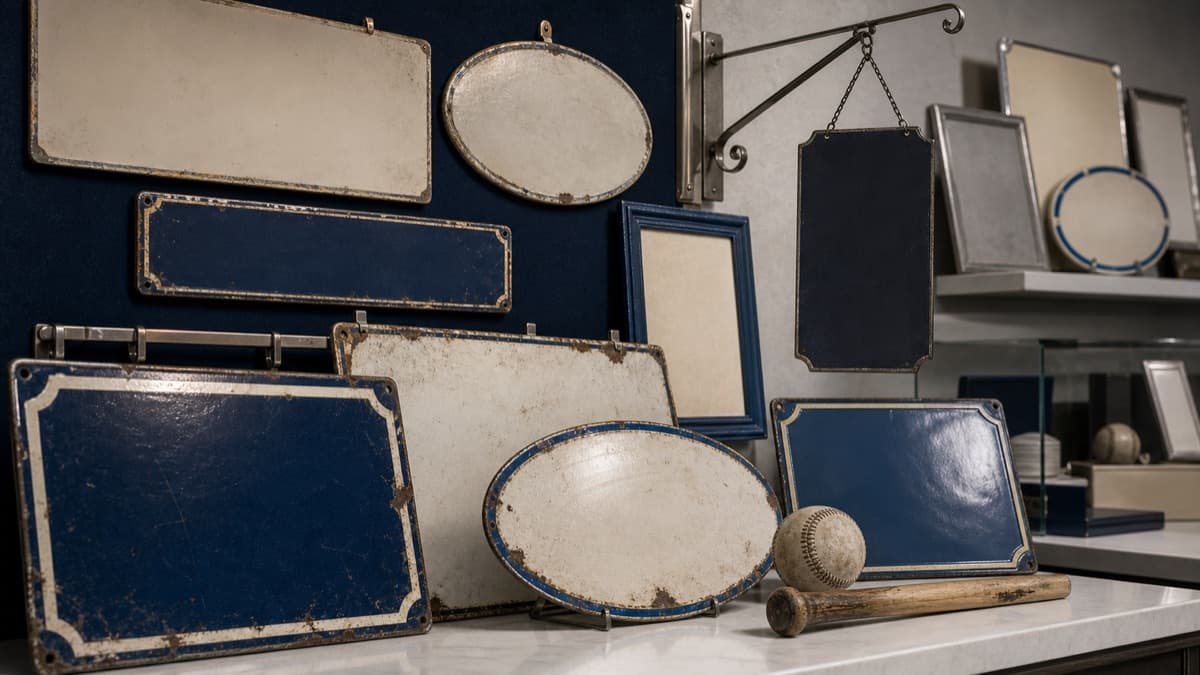
Vintage sports advertising is collectible promotional material that uses teams, athletes, equipment, venues, or sports imagery to sell a product. Collectors chase it because it connects sports history with everyday brands, store counters, bar walls, newspapers, and local businesses.
We evaluate these pieces as both advertising and memorabilia. The best examples have a clear product, strong sports image, believable age, original materials, and enough condition quality to display without constant explanation.
Athlete advertising collectibles and brand context
Sports advertising can range from national campaigns to small regional pieces. Soda, tobacco, gum, sporting goods, apparel, gas stations, restaurants, newspapers, breweries, and equipment makers all used athletes and sports imagery at different times. Some pieces show a named athlete. Others show a generic player, team colors, a stadium scene, or a sports pose meant to borrow the feeling of the game.
A named athlete usually creates a wider collector base, but generic sports advertising can still be desirable when the graphics are strong or the brand has its own following. A store sign with a dramatic baseball player, a boxing poster with bold typography, or a local equipment ad tied to a city can have real appeal even without a superstar connection.
We start with what the piece was made to do. Was it a magazine ad, counter display, window card, point-of-sale sign, tin sign, premium, calendar, schedule, poster, or package insert? That original purpose helps explain size, material, wear, and scarcity. It also keeps the piece in context beside broader paper collectibles like the items covered in our sports media and print collectibles guide.
Tin, paper, cardboard, and store display signs
Material matters because each format ages differently. Paper ads are often clipped from magazines or newspapers, so margins, source publication, and trimming become important. Cardboard signs can warp, crease, stain, and lose easel backs. Tin and metal signs can rust, bend, chip, and be repainted. Cloth banners and window displays may fade or carry fold lines from storage.
We judge condition against the format. A small edge tear on a newspaper ad is not the same flaw as deep rust through a tin sign. A cardboard display with its original easel back may be more desirable than one mounted to a later board. A die-cut display with all tabs and foldouts intact is different from a flat piece removed from a larger promotion.
Display appeal is central. Advertising was built to catch the eye, so color, image size, brand recognition, and readable text matter. A technically scarce piece with weak graphics may be harder to place than a more available sign that looks great on a wall.
- Paper: check trimming, folds, tears, toning, tape, source publication, and whether the ad is complete.
- Cardboard: inspect corners, easel backs, warping, surface rub, water stains, and broken fold lines.
- Tin or metal: look for rust, bends, added holes, repaint, touch-up, and whether mounting holes look original.
- Displays: confirm all parts are present, including tabs, stands, inserts, calendars, or attached product samples.
Reproduction sports signs and fantasy pieces
Reproduction warnings matter in sports advertising because old-looking signs are easy to make and fun to decorate with. Some reproductions are clearly marked and sold as decor. Others are aged, distressed, or described loosely enough to confuse newer collectors. The risk is not owning a reproduction; the risk is paying original-money for one.
We look for mismatches. A sign may use a logo style, player image, slogan, barcode, copyright line, material, or printing method that does not fit the claimed era. Artificial rust and uniform distress can be a clue, especially when the back looks too clean or the wear appears only where a decorator would expect it. For paper, laser-sharp modern print, wrong paper stock, or identical copies appearing in quantity should slow the purchase.
Fantasy pieces are another issue. A fantasy sign is a modern creation that suggests an old product or athlete promotion that may not have existed in that form. These can be attractive display pieces, but they should not be represented as period advertising. The same caution applies across the hobby, which is why our how to spot fake cards and slabs guide focuses on slowing down and checking physical evidence before trusting a label or story.
Condition and originality in sports advertising
Originality usually beats aggressive improvement. Cleaning, repainting, flattening, trimming, or mounting can change what the item is. On a valuable piece, even well-meant repairs should be documented. A sign that looks clean because it was repainted is not the same as a sign that survived clean.
We separate age wear from damage that changes the collecting case. Light edge wear, small nail holes, and general toning can be normal. Missing sections, heavy repaint, modern backing, water damage, severe fading, or cut-down paper are more serious. Odor matters too, especially for cardboard and paper stored in damp areas.
For framed advertising, inspect the back if possible. Old newspaper ads and cardboard signs were often taped, glued, or pressed against acidic board. A piece may look bright through glass while the back tells a different story. If display is the goal, our archival supplies guide is a useful companion for choosing sleeves, boards, boxes, and framing materials that do not create new problems.
Buying vintage sports advertising with discipline
The strongest purchases are easy to explain: original period piece, clear brand, clear sports subject, attractive design, stable condition, and a price that makes sense for the collector base. If too much of that explanation relies on maybe, supposedly, or looks old, we slow down.
Good listings should show the front, back, edges, mounting holes, close-ups of print, and any maker marks or copyright lines. For paper ads, we like to know whether the full page is present and what publication it came from. For signs, measurements matter because reproductions often circulate in standard decorator sizes.
If you are comparing examples across categories, our marketplace listings can help you study how sellers describe condition, originality, and display appeal. The goal is not to buy only perfect signs. It is to buy signs whose flaws are visible, priced in, and acceptable to you.
Common questions about vintage sports advertising
Are clipped magazine ads collectible? Yes, especially when the athlete, product, artwork, or era is desirable. Full pages with clean margins and known source publications are usually easier to trust and display than tightly trimmed clippings.
Are tin signs always more valuable than paper ads? No. Material alone does not decide value. Athlete importance, brand demand, originality, graphics, condition, and scarcity all matter.
How do you tell if a sign is old? There is no single test. Compare the logo, slogan, image, material, print method, hardware, back, wear pattern, and known examples. When the claim is expensive, get another opinion before buying.
Ready to hunt?
Graded slabs, sealed boxes, and live auctions — verified and insured.