Local Card Shop: How to Get the Most From It
July 9, 2026 · 5 min read · By BGLAD
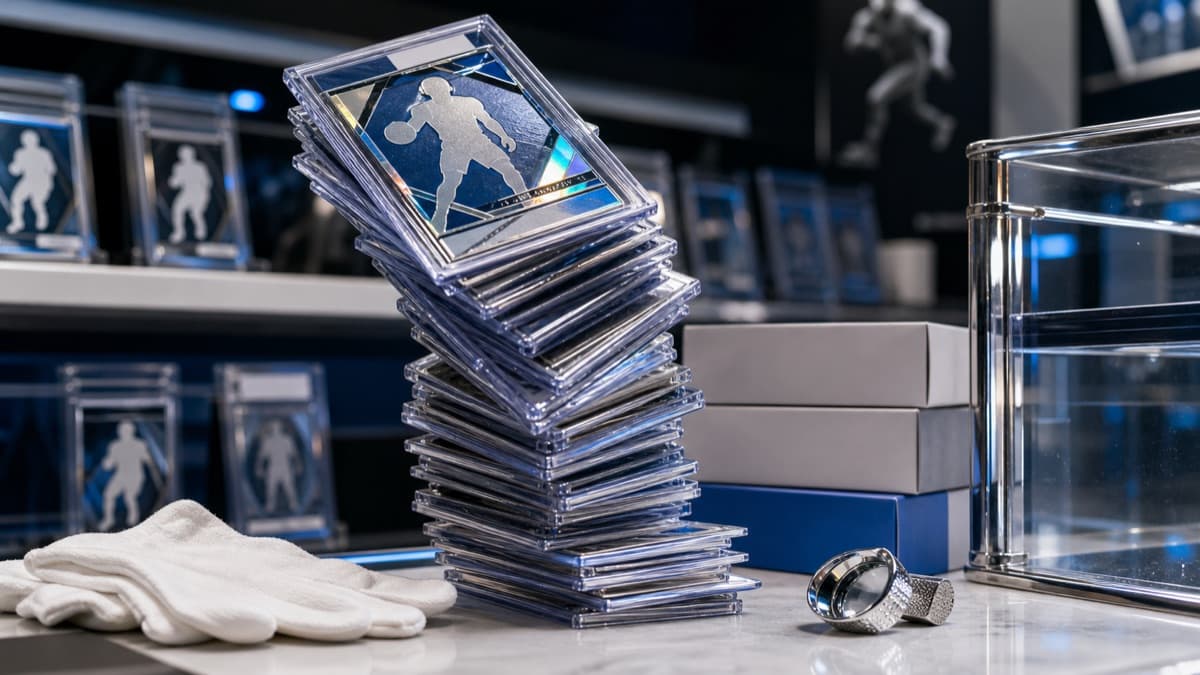
A local card shop is a place to buy cards, but the best value is often the guidance, community, supplies, and face-to-face trust around the counter. Use your LCS well and it can help you collect with more focus and fewer avoidable mistakes.
We see the shop as part retail space, part classroom, part meeting point. You do not need to spend big to benefit, but you do need to show up respectfully and learn how the place works.
What a local card shop offers beyond packs
Product is only one part of a shop. A good LCS helps collectors compare sealed boxes, raw singles, graded cards, supplies, trade options, and selling paths in the same conversation. That context is hard to get from a listing photo.
You can also inspect cards in person. Corners, centering, surface marks, slab condition, autograph placement, and eye appeal are easier to judge under real light. For beginners, that hands-on comparison builds taste faster than scrolling through hundreds of listings.
Shops also carry supplies and can explain when to use sleeves, top loaders, semi-rigids, team bags, boxes, binders, and display cases. If storage is a weak spot in your collection, start with how to store and protect your collection and then ask your LCS what fits your actual cards.
- Supplies matched to the cards you own.
- In-person condition checks before you buy.
- Advice on grading, selling, trading, and storage.
- Local knowledge about shows, trade nights, and collector groups.
- A place to learn without guessing from photos alone.
Building a relationship with your LCS
The best shop relationships are built through consistency, not one large purchase. Tell the staff what you collect, what your budget looks like, and what you are trying to avoid. The more specific you are, the easier it is for the shop to point you toward cards that fit.
Respect the counter's time. It is fine to ask questions, but bring context: the card, the comp range you found, the grade you are considering, or the trade you are thinking about. A clear question gets a better answer than "what is this worth?" with no other information.
Be honest about your goals. A collector building a player PC needs different advice than someone sorting an inherited collection or trying to move duplicates. Our guide to how to build a player PC is a helpful framework if you want a shop to learn your lane.
Trade nights and collector community
Trade nights are where many collectors get the most out of a local card shop. You can meet people who collect different teams, move duplicates, see cards you would not search for online, and learn how others value condition, scarcity, and demand.
Bring a focused trade box. Cards should be sleeved, organized, and roughly valued before you arrive. If everything is a mystery, the trade turns into homework. If your box is organized by sport, team, player, or price range, people can engage quickly.
Keep trade-night stakes reasonable until you know the room. Make small trades, watch how experienced collectors talk through comps, and ask before handling someone else's cards. If kids are involved, collecting sports cards with kids has good guardrails for keeping the hobby fun and fair.
- Price your trade cards before you arrive.
- Separate cards that are not for trade.
- Use sold comps, not emotional attachment, as the starting point.
- Protect cards during review with sleeves and clean cases.
- Slow down any trade that feels rushed or confusing.
Buying, selling, and supporting the hobby ecosystem
Local shops sit in the middle of the hobby ecosystem. They buy collections, sell singles, stock sealed product, host collectors, answer beginner questions, support local shows, and help cards move from people who no longer want them to people who do.
That does not mean every deal will match a private sale number. A shop has rent, staff time, supplies, payment costs, and resale risk. When selling or trading in, expect the offer to leave margin. The convenience and certainty may still be worth it, especially when you do not want to photograph, list, ship, and handle returns yourself.
If you are ready to move cards through a shop channel, our sell and consign page explains how we think about intake and options. For a deeper comparison, consignment vs selling outright can help you decide which path fits the collection.
How to make each LCS visit useful
Walk in with one purpose. You might be buying supplies, checking a comp, looking for a specific player, comparing slab grades, or asking whether a card is worth grading. One clear purpose keeps the visit productive and makes it easier for the staff to help.
Bring the card when the question depends on condition. Photos can help, but in-person review is better for corners, surfaces, edges, and centering. If you are asking about grading, be ready to hear that the card may be better left raw. Good shop advice should save you money sometimes.
Take notes after useful conversations. If a shop explains why two similar cards are priced differently, write it down. Over time, those small lessons become your collecting judgment.
Common questions about local card shops
Do you have to buy something every time you visit? No, but shops survive on customers, not spectators. If you use the space, buy supplies, singles, packs, or services when they make sense for your collection.
Will a local card shop appraise a collection? Many shops will look at collections, but the process depends on size, organization, and value. Sort by sport, era, and obvious highlights before bringing in boxes, and understand that an offer is different from a full formal appraisal.
Are LCS prices higher than online prices? Sometimes, but the comparison should include condition inspection, trust, advice, shipping risk, and convenience. Online can be efficient, while local can be clearer and more personal.
Ready to hunt?
Graded slabs, sealed boxes, and live auctions — verified and insured.