The Beginner's Guide to Collecting Sports Cards
July 2, 2026 · 7 min read · By BGLAD
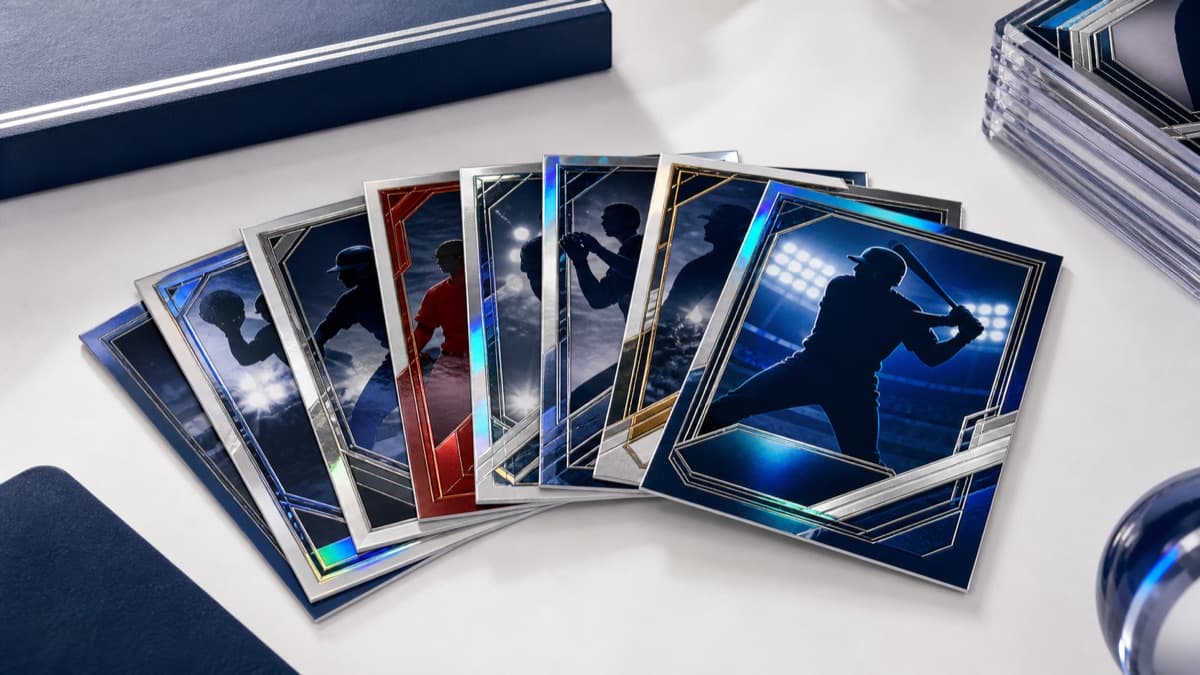
Sports card collecting is one of the few hobbies that mixes fandom, history, art, and a real market all in one 2.5-by-3.5-inch package. Whether you pulled cards out of packs as a kid or you're walking in brand new, the modern hobby can look intimidating from the outside — parallels, serial numbers, grading slabs, breaks, auctions. The good news: the fundamentals are simple, and you can learn them in one read.
This guide covers how the hobby is organized, what actually makes a card valuable, and how to buy your first cards without overpaying.
Pick a lane before you spend a dollar
The fastest way to burn out (or burn money) is trying to collect everything. Most collectors organize around a focus, and picking yours early gives every purchase a purpose. Common lanes include:
- Player collecting — chasing cards of one athlete you love, from base cards to rare autographs.
- Team collecting — building around a franchise, which keeps the hobby tied to your fandom.
- Set building — completing every card in a given release, the classic form of the hobby.
- Rookie cards — focusing on players' first cards, historically where the most value concentrates.
- Vintage — cards from roughly 1980 and earlier, where scarcity and history drive everything.
Learn the anatomy of a modern card release
Modern sets follow a common structure. Base cards are the standard cards in the set — plentiful and usually inexpensive. Parallels are versions of a base card with different coloring or foil, often serial-numbered (a card marked 07/99 is the seventh of only 99 made). Lower print runs generally mean higher value. Inserts are special-themed cards seeded at set odds, and some — like case hits, cards that show up roughly once per sealed case — carry serious premiums.
Then there are the chase pieces: autograph cards signed by the athlete (ideally on-card rather than on a sticker) and memorabilia or patch cards containing a swatch of a jersey. A rookie card that combines both — a rookie patch autograph, or RPA — is the flagship card for most modern stars.
One more term you'll see constantly: the rookie card (RC), a player's first licensed card in a major set. Rookies matter enormously in this hobby — enough that we wrote a whole piece on them: Why Rookie Cards Rule the Hobby.
Condition is everything
Two copies of the same card can differ in price by 10x or more based purely on condition. Collectors judge four things: centering (are the borders even?), corners (sharp or soft?), edges (clean or chipped?), and surface (scratches, print lines, dents).
Professional grading companies — PSA, BGS, SGC, and CGC — evaluate those factors and seal the card in a tamper-evident holder (a slab) with a grade, usually on a 1–10 scale. A slab tells you the card is authentic and locks in its condition, which is why graded cards dominate the higher end of the market. Our guide to the grading companies breaks down how they differ.
Where to buy (and what to watch for)
You have more ways to buy than any generation of collectors before you: local card shops, card shows, online marketplaces, live-stream breaks, and dedicated storefronts like ours. Each has trade-offs — shows are great for negotiating, marketplaces have the widest selection but require seller vetting, and curated shops do the vetting for you.
Wherever you buy, the same rules apply: check sold prices (not asking prices) before you pay, verify a slab's certification number against the grader's database, and be suspicious of deals that look too good. Counterfeits exist at every level of the hobby — our article on spotting fake cards and slabs covers the red flags.
When you're ready, browse our catalog of graded slabs and sealed boxes, or watch a live auction to get a feel for real market prices.
Five beginner rules that never fail
Every experienced collector learned these the hard way so you don't have to:
- Collect what you love. If the market dips, you still own cards that mean something to you.
- Buy the card, not the hype. A hot rookie's prices can halve after one bad month of games.
- Sold prices are truth; asking prices are ads. Always check completed sales.
- Condition first. A lesser player in gem mint often beats a star in rough shape long-term.
- Protect everything immediately. A penny sleeve and toploader cost cents; a dinged corner costs real money. See our storage guide.
Ready to hunt?
Graded slabs, sealed boxes, and live auctions — verified and insured.