Trade Sports Cards Fairly: Values, Comps, Etiquette
July 9, 2026 · 5 min read · By BGLAD
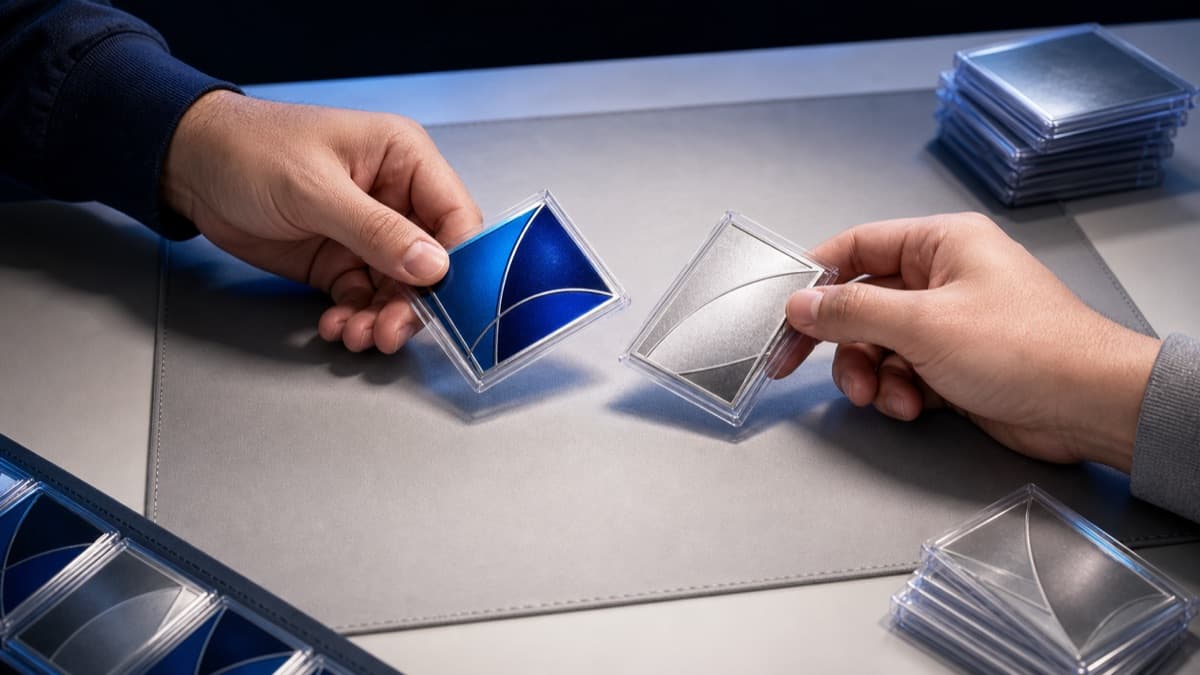
To trade sports cards fairly, both sides should agree on condition, use realistic comps, explain any value gaps, and make the terms clear before cards change hands. A good trade should feel understandable later, not just exciting in the moment.
Trading is one of the best parts of the hobby because it turns duplicates and mismatched cards into something each collector actually wants. It also creates friction when people value cards by memory, hype, or attachment instead of current evidence.
Value sports card trades with real comps
Start with sold comps for each side of the trade. Match the exact year, set, player, card number, parallel, autograph status, serial numbering, grade, and condition as closely as possible. Asking prices can help show current supply, but sold prices tell you where real buyers have acted.
A trade does not have to be perfectly equal down to the dollar. Collectors may accept a small difference because one card fits a personal collection better, one side is consolidating, or one card is easier to move. The important part is that both people understand the gap.
Do not use feelings as the only valuation method. Sentimental value is real to the owner, but it is not automatically market value to the other collector. If you need a repeatable pricing routine, use how to track sports card prices before trade night.
- Use sold comps before asking prices.
- Match grade, condition, parallel, and card number.
- Separate personal value from market value.
- Be clear when one side is trading up or trading down.
- Leave room for liquidity, not just last-sale price.
Condition, grading, and authenticity before trading
Condition can change a trade completely. A raw card with a soft corner is not equal to a cleaner copy just because the front photo looks similar. Review corners, edges, surface, centering, and any print or handling flaws under good light before agreeing.
Graded cards are easier to compare, but the slab is not the whole story. Check the label, certification, holder condition, and eye appeal. Different grading companies and grades may not trade evenly even when the numbers look close.
For higher-value trades, slow down authenticity checks. Counterfeit cards, altered cards, and questionable slabs are not everyday problems, but they are serious enough to respect. Our guide to how to spot fake cards and slabs is worth reading before trading anything that would hurt to replace. You can also compare available graded slabs to study how labels, holders, and card presentation should look.
Trade etiquette with other collectors
Good trade etiquette starts with clarity. Say what you are looking for, what is available, and whether you are open to cash on either side. If a card is not for trade, keep it separate or say so early. Mixed signals create pressure and wasted time.
Let the other collector handle cards carefully, but set boundaries. It is normal to ask someone to keep slabs over the table, avoid removing raw cards from sleeves unless needed, and handle cards by the edges. Respect their cards the same way.
Do not rush a collector into a decision. If someone wants to check comps, think overnight, or ask a more experienced collector, that is reasonable. A fair trade can survive a few minutes of scrutiny. A bad trade usually needs speed.
- Ask before picking up or removing a card from protection.
- Disclose flaws you already know about.
- Do not pressure someone with fake urgency.
- Use clear yes, no, or counteroffer language.
- Thank the other person even when no deal happens.
Balancing uneven trades and cash
Many trades are uneven on purpose. One collector may trade several smaller cards for one stronger card. Another may add cash to bridge a gap. That can be fair when both sides understand why the values differ and how easy each card is to sell or replace.
Liquidity matters. A popular graded rookie may be easier to move than a scarce but narrow-interest insert. A card can be rare and still take time to find the right buyer. When trading up, expect to give more total sticker value because the other side is giving up the cleaner asset.
If negotiations get stuck, simplify. Remove one card, add one card, or agree that the gap is too wide. Our article on negotiating card deals covers the same principle: clear terms beat vague pressure.
Paperwork for big sports card trades
Most small trades do not need paperwork beyond a handshake and good memory. Bigger trades deserve records. Write down the cards, grades, cert numbers if applicable, agreed values, cash added, date, names, and any condition notes. Both sides should keep a photo or message thread.
Records protect honest people. If a question comes up later about a flaw, a missing card, or a payment detail, the notes keep the conversation grounded. For mailed trades, use tracked shipping, clear packaging expectations, and photos before the package leaves.
Be extra careful with trades involving minors, inherited collections, consignment cards, or cards owned by someone not present. If the person cannot clearly confirm they have authority to trade the card, walk away.
- Photograph both sides of each card before the swap.
- Record cert numbers for graded cards.
- Write down any cash added to either side.
- Use tracked shipping for mailed trades.
- Keep messages until both sides confirm receipt and condition.
Common questions about trading sports cards
Should trades be exactly equal? Not always. A trade can be fair with a small gap if both collectors understand it. Problems start when one side hides information or uses weak comps to make the gap look smaller.
Is it better to trade raw or graded cards? Graded cards reduce some condition debate, while raw cards can work well between collectors who inspect carefully. The more value involved, the more we prefer clear condition documentation.
When should you walk away from a trade? Walk away when the other side will not allow comp checks, avoids condition questions, changes terms repeatedly, or pressures you to decide before you are comfortable. A missed trade is cheaper than a bad one.
Ready to hunt?
Graded slabs, sealed boxes, and live auctions — verified and insured.