Team Signed Memorabilia: Value, Display & Pitfalls
July 9, 2026 · 6 min read · By BGLAD
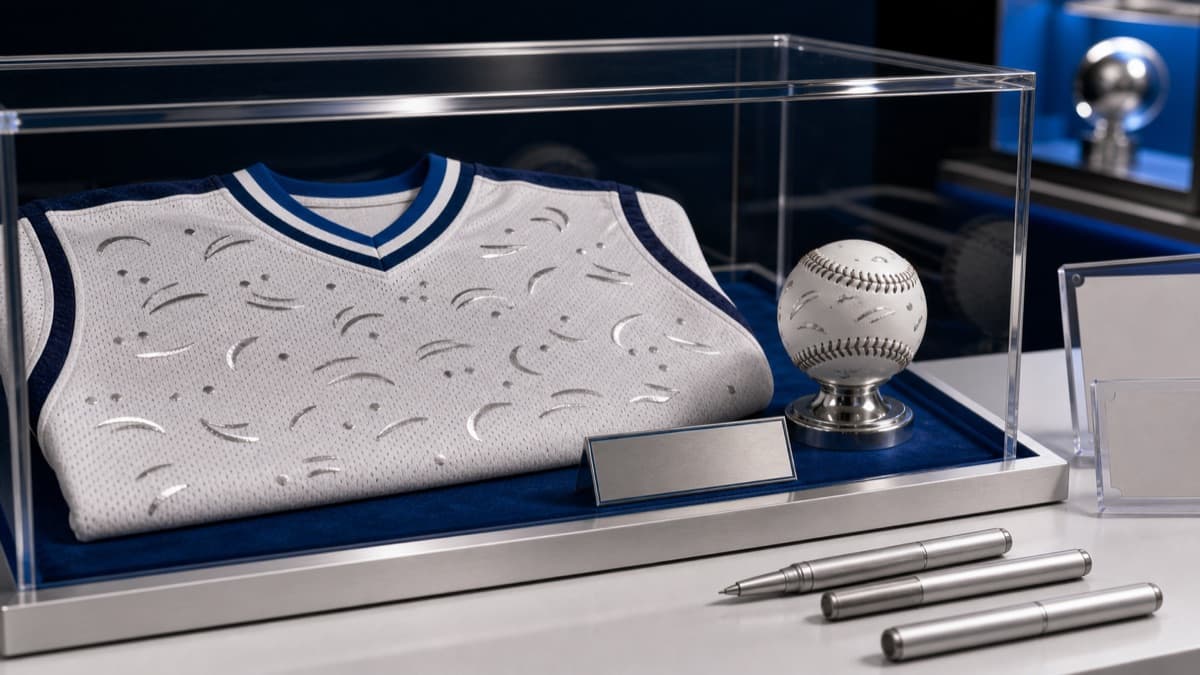
Team signed memorabilia is any item signed by multiple members of the same team, season, roster, or event group. Its value depends less on the number of autographs alone and more on who signed, who is missing, how the item is authenticated, and whether the signatures can survive display.
We like team-signed pieces when they tell a clear story. We get cautious when the item is sold as a wall of ink with no roster logic, weak authentication, or signatures that are already fading into the background.
How team signed memorabilia gets valued
Multi-signature items are not valued by simple multiplication. Ten signatures from role players do not automatically beat one strong signature from the athlete collectors care about most. Buyers usually look for roster importance, completeness, championship or milestone connection, signature quality, item type, and presentation.
The base object matters. A team-signed ball, jersey, helmet, photo, program, or bat each attracts a different buyer. A display-ready photo with clean placement may be easier for some collectors to enjoy than a crowded ball where half the signatures are hard to identify. Bigger is not always better if the story becomes harder to read.
Condition also changes value. Smudged ink, bleeding marker, shellacked balls, cracked photos, stained jerseys, and faded signatures all lower confidence. If you are new to the autograph side, start with our autograph authentication explained guide before treating every signed item as equal.
Key signatures dominate team signed items
Most team-signed items have a hierarchy. A Hall of Fame player, franchise icon, MVP, championship star, beloved local player, or deceased team member can carry more weight than the rest of the roster. Missing that key signature may matter more than adding several minor ones.
Completeness depends on the collecting goal. Some buyers want the full roster. Others want the core stars. Others want everyone who played in a specific game or series. Before buying, decide what the item claims to represent. A team-signed regular-season ball and a championship roster piece are not the same target.
We also look at placement. A key signature buried under a seam, written in weak ink, or crowded by later additions may not anchor the item the way collectors expect. On the other hand, a clean central signature with supporting teammates around it can make the piece easier to understand from across the room.
- Anchor signature: the player most buyers notice first.
- Roster depth: supporting signatures that make the team story stronger.
- Missing names: absent stars, coaches, or key contributors that change the claim.
- Signature balance: spacing, readability, ink strength, and whether the item displays cleanly.
Authentication problems with multi-signature memorabilia
Team-signed items create more authentication work because each signature may need its own opinion. A certificate that authenticates one autograph does not automatically authenticate every name on the item. A vague COA for a whole team piece should be read carefully.
The cleanest paperwork identifies the item, the signers, the cert number, and the authenticator's scope. Some records may list notable names rather than every signature. That can be acceptable if the listing is honest, but it leaves the buyer responsible for understanding what is and is not covered.
Be careful with items assembled over time. A jersey or ball may have signatures gathered across many years, not all from the same season or event. That can still be collectible, but it is different from a team-issued signing, clubhouse item, or single-event piece. For deeper documentation habits, see team documentation and COAs.
Fading risk with many inks and surfaces
The more signatures on an item, the more ink behavior you have to manage. Different pens, markers, paint pens, and ballpoint inks age differently. One autograph may stay bold while another fades, bleeds, or turns brown. Display light, heat, humidity, and surface material all affect that process.
Balls are a common example. Leather, synthetic covers, toning, oils, and old coatings can change how ink looks over time. Jerseys and fabric can have ink that feathers into fibers. Glossy photos can smudge if handled or framed poorly. Helmets and bats can resist ink well in some cases, but scratches and coatings still matter.
This is why we do not treat display as an afterthought. A team-signed piece can lose its best feature if it sits in direct sun or under strong lights for years. Our autograph ink and fading guide is worth reading before a multi-signature item goes on the wall.
- Avoid direct sun: UV exposure can fade ink and stress the item.
- Limit bright display lights: use lower light and turn it off when not needed.
- Keep climate stable: heat and humidity swings are hard on paper, leather, and fabric.
- Handle less: more signatures mean more places to smudge, rub, or abrade.
Display choices for team signed memorabilia
Display should make the team story readable. For balls, that may mean rotating the ball occasionally or choosing the panel with the strongest names forward. For jerseys, it means mounting without stressing fabric and leaving enough space for signatures to breathe. For photos, it means using materials that do not press directly into the ink.
A crowded team item can look busy fast. We prefer simple framing, clean backgrounds, and labels or records stored nearby rather than extra visual noise inside the frame. If the piece needs explanation, keep a separate provenance sheet with the roster, authentication numbers, and purchase details.
When shopping, compare the display reality to the price. An item with great names but poor placement may be less enjoyable than a smaller piece that presents beautifully. Our marketplace listings can be useful practice for reading how signed items are described before deciding what belongs in your collection.
Common questions about team signed memorabilia
Is a fully team-signed item always better? Not always. Full roster appeal is real, but collectors often care most about the key signatures, the season represented, and whether the item is attractive and authenticated. More ink can also mean more fading and more clutter.
What if one signature cannot be identified? That is common, especially on older pieces. It may not ruin the item, but it should affect how confidently the seller describes it. Unknown signatures are part of the condition and authentication picture.
Should you frame a team-signed jersey? Framing can work if the materials and mounting are appropriate. Avoid pressure on autographs, direct light, and permanent mounting choices that damage the jersey. For the broader preservation side, use our guide to how to display your collection.
Ready to hunt?
Graded slabs, sealed boxes, and live auctions — verified and insured.