Autographs and Game-Used Memorabilia: A Collector's Authentication Guide
July 2, 2026 · 7 min read · By BGLAD
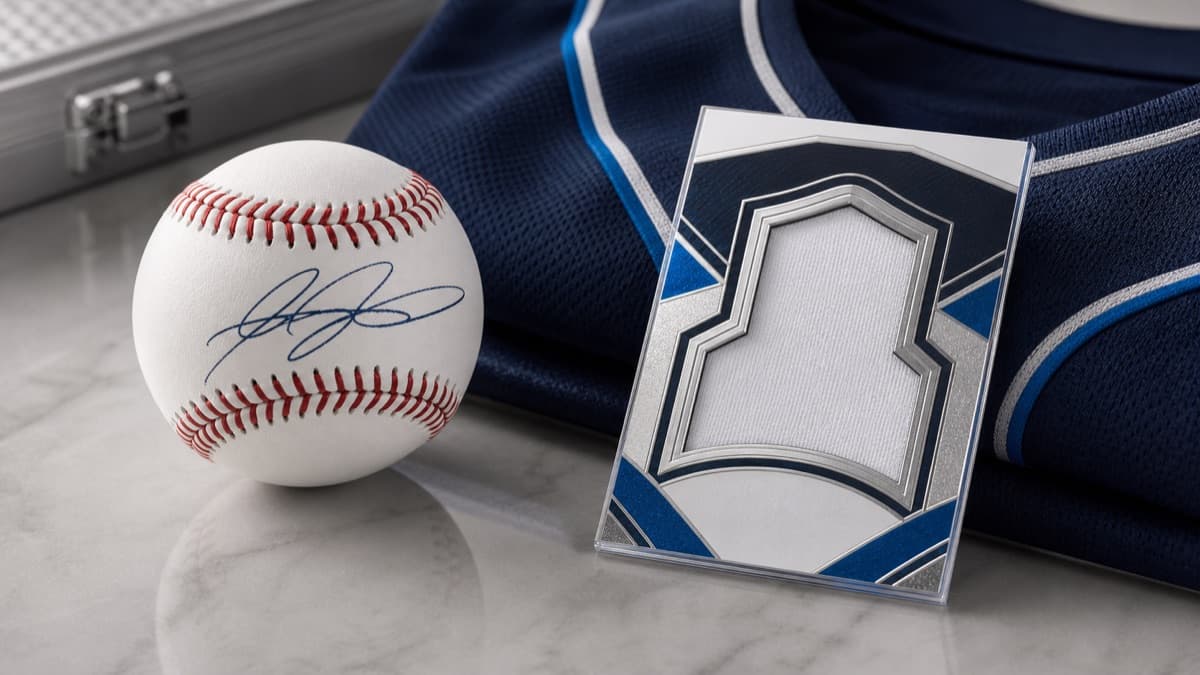
Sports memorabilia reaches past cards into objects that touched the game itself: signed baseballs, game-worn jerseys, cracked bats, championship rings, ticket stubs from historic nights. It's the most romantic corner of collecting — and the one where authentication matters most, because unlike a card, a signature or a jersey doesn't come with a print run.
Here's how the memorabilia world verifies what's real, and how to buy with confidence.
Autographs: the authentication hierarchy
An autograph's value rests entirely on one question — did the athlete really sign it? The market answers with third-party authentication, and three names dominate: PSA/DNA, JSA (James Spence Authentication), and Beckett Authentication Services (BAS). Each examines signatures against exemplar databases and issues certification with a verifiable number.
Authentication comes in tiers of confidence. Witnessed signings — where the authenticator or manufacturer watched the pen touch the item — are the gold standard; this covers autograph cards from major manufacturers and items from official signings. Aftermarket authentication — an expert examining a signature after the fact — is trusted but inherently an expert opinion. Both beat the alternative: a bare signature with a story.
The truth about COAs
Here's the hard rule veterans live by: a Certificate of Authenticity is only as good as who issued it. A COA from PSA/DNA, JSA, or BAS means something because those companies stake their reputations on every cert and maintain public verification databases. A generic COA from an unknown dealer, a defunct company, or the seller themselves is decoration — counterfeiters print COAs as easily as they forge signatures.
When buying signed items, verify the cert number in the authenticator's database, confirm the described item matches what you're holding, and treat "COA included!" from an unrecognizable issuer as no authentication at all.
Game-used gear: worn, used, or just issued?
Equipment collecting has its own vocabulary, and the differences are worth thousands:
- Game-worn / game-used — the athlete actually wore or used it in a game. The top of the market.
- Game-issued — made for the player and the season, but never used in play. Real, but priced well below worn.
- Player-worn — worn by the athlete, but not in a game (photo shoots, signings). Common in card memorabilia swatches.
- Team/replica — authentic merchandise, never near the player. Fan gear, not memorabilia.
Photo-matching: the gold standard for jerseys
For high-end game-worn pieces, the market's strongest proof is the photo-match: aligning an item's unique details — stitching irregularities, stain patterns, wear marks, repairs — with broadcast footage or photography from specific games. A conclusively photo-matched jersey isn't just "a jersey the player wore"; it's "the jersey from that night," and prices reflect the difference.
Provenance stacks with it: team and league sourcing programs, locker-room LOAs, and established game-used authenticators build the chain of custody. The best pieces arrive with multiple independent lines of evidence. When they don't, price accordingly — or pass.
Caring for memorabilia
Memorabilia shares cards' enemies — light, humidity, heat — with extra quirks. Autograph ink fades under UV faster than almost anything else, so display signed items behind UV-filtering glass and away from windows. Never clean or "restore" a game-used item; the dirt is part of the provenance. Balls belong in UV-protected cube holders; jerseys should hang on padded hangers or be framed by conservation framers. The full climate playbook in our storage guide applies here too.
And the buying rules never change: verified authentication, reputable sellers, sold-price comps, and skepticism toward stories that can't be documented. The same discipline covered in our counterfeit-spotting guide protects you on memorabilia's bigger stakes.
Ready to hunt?
Graded slabs, sealed boxes, and live auctions — verified and insured.