Sports Memorabilia Beginners: Where to Start
July 9, 2026 · 5 min read · By BGLAD
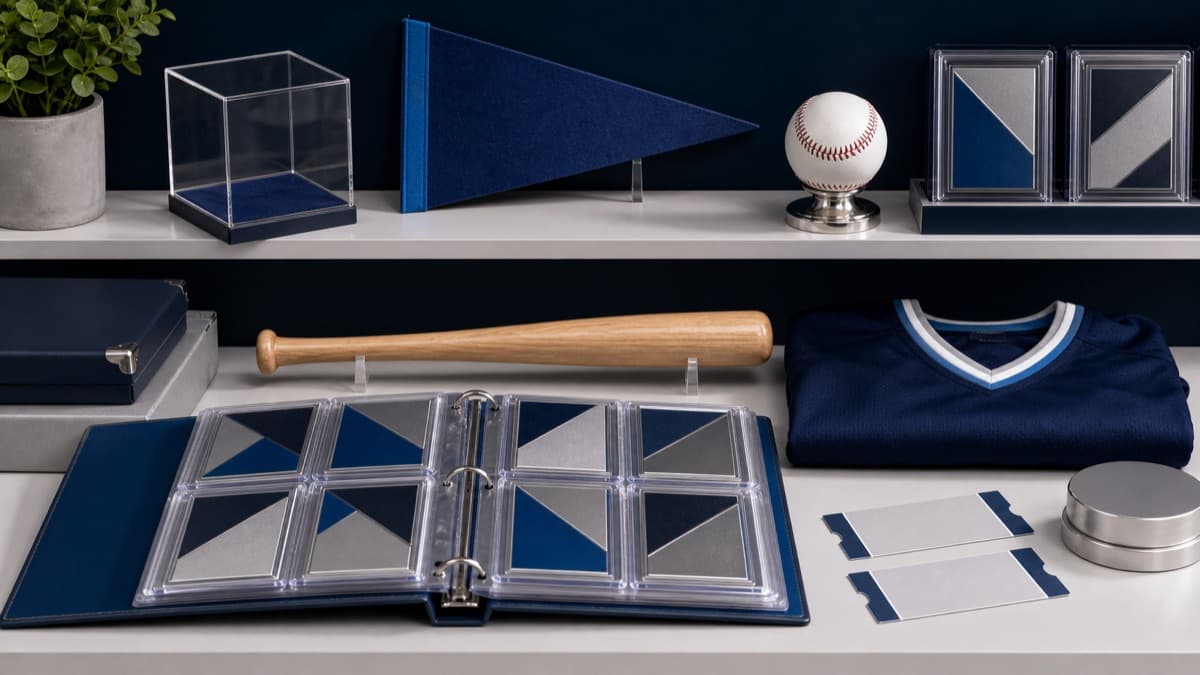
Sports memorabilia beginners should start by picking one collecting lane, learning how that lane is authenticated, and setting a budget before buying bigger pieces. The category is broader than cards, so the safest first step is to narrow the field instead of trying to learn everything at once.
We like memorabilia because it can connect to a player, team, game, season, or place in a way a card sometimes cannot. The same breadth that makes it fun also creates traps: vague stories, awkward storage, fading autographs, and items that are hard to sell later.
The sports memorabilia landscape beyond cards
Memorabilia covers signed photos, jerseys, balls, bats, pucks, helmets, programs, tickets, pennants, equipment, stadium items, advertising, awards, and game-used objects. Some pieces are mass-produced collectibles. Some are personal keepsakes. Some are tied to a specific game or athlete. Those differences matter more than the word memorabilia itself.
A beginner mistake is treating every item with a famous name as similar. A signed retail jersey, a team-issued jersey, a game-used jersey, and a framed replica jersey can all look impressive on a wall, but they answer different collector questions. The value sits in authenticity, context, condition, display appeal, and buyer demand.
If you are coming from cards, start with the same habits you already use: verify the item, understand condition, compare similar examples, and know why you want it. Our guide to cards vs other collectibles explains why memorabilia often moves slower and needs more context than a graded card.
Pick a memorabilia lane before you buy
The best beginner collections usually have a lane. That lane can be a favorite team, one player, one stadium, one championship season, one item type, or one room in the house. A lane keeps your budget from scattering across cool but unrelated objects.
A lane also makes learning easier. If you decide to collect signed baseballs, you can learn ink behavior, ball types, authentication stickers, display cubes, and signature placement. If you decide to collect tickets, you can learn stubs, full tickets, digital-era scarcity, grading, and event importance. If you decide to collect game-used items, you can learn provenance and photo matching before writing a serious check.
For a broad starting point, read our autographs and game-used memorabilia guide. If older material pulls you in, pair it with the vintage sports memorabilia guide before assuming modern authentication habits apply cleanly to older pieces.
- Player lane: one athlete across photos, balls, jerseys, tickets, and display pieces.
- Team lane: affordable items from many eras, with room for one or two centerpieces.
- Event lane: All-Star games, playoffs, debuts, retirements, rivalries, or local milestones.
- Object lane: signed balls, programs, pennants, jerseys, equipment, or ticket stubs.
- Room lane: pieces chosen because they display well together and fit your space.
Budget entry points for new memorabilia collectors
You do not need to start with a game-used jersey or a high-end signed item. A better beginner budget often starts with authenticated lower-cost autographs, clean programs, ticket stubs, stadium giveaways, unsigned vintage pieces, or display-ready items from players you genuinely follow.
Entry-level does not mean careless. A cheap fake is still a waste. A low-cost item with clean documentation, good condition, and a clear place in your collection teaches better habits than a bigger piece bought on a story. We would rather see a beginner buy one authenticated signed photo they love than five questionable items that require excuses.
Use small purchases to learn shipping, storage, display, and authentication formats. Oversized items can be expensive to frame. Fabric can fade. Balls can tone or spot. Paper can crease. The purchase price is only part of the collecting cost.
Authentication should be your first memorabilia habit
Authentication is not the last step after you become advanced. It is the first habit that protects beginners. For autographs, that means understanding third-party opinions, witnessed signing programs, certificates, stickers, database lookups, and whether the paperwork actually belongs to the item in front of you.
For game-used or team-issued material, authentication can mean team letters, league databases, player provenance, equipment tags, style matching, or photo matching. For tickets and paper, it can mean grading, event verification, printing details, and condition review. The right proof depends on the item type.
When you browse our marketplace listings, practice reading the whole listing: item type, signature status, authenticator, condition notes, included paperwork, and photos. The point is not to memorize every company name on day one. The point is to refuse mystery as a buying strategy.
- Match numbers: sticker, certificate, and online lookup should agree.
- Read the description: authenticated autograph is not the same as authenticated game use.
- Keep paperwork: store certificates, receipts, letters, and photos with the item record.
- Ask what is proven: identity, signature, game use, team issue, or only manufacture.
Common questions from sports memorabilia beginners
What is the easiest memorabilia category to start with? Authenticated signed photos and signed balls are approachable because they are common, displayable, and easier to understand than complex game-used items. Tickets and programs can also be friendly if you enjoy events and paper condition.
Should beginners buy framed items? Framed items can be fine, but inspect what is inside the frame and how it is mounted. A nice frame does not prove authenticity, and bad framing can damage paper, fabric, or autographs over time. Our guide to how to display your collection covers those tradeoffs.
How many pieces should a beginner buy first? Fewer than the budget allows. Buy slowly enough that each item teaches you something. A focused shelf with three strong, documented pieces is better than a crowded wall of items you cannot explain.
Ready to hunt?
Graded slabs, sealed boxes, and live auctions — verified and insured.