Photo Matching Memorabilia: The Gold Standard for Game-Used Gear
July 9, 2026 · 6 min read · By BGLAD
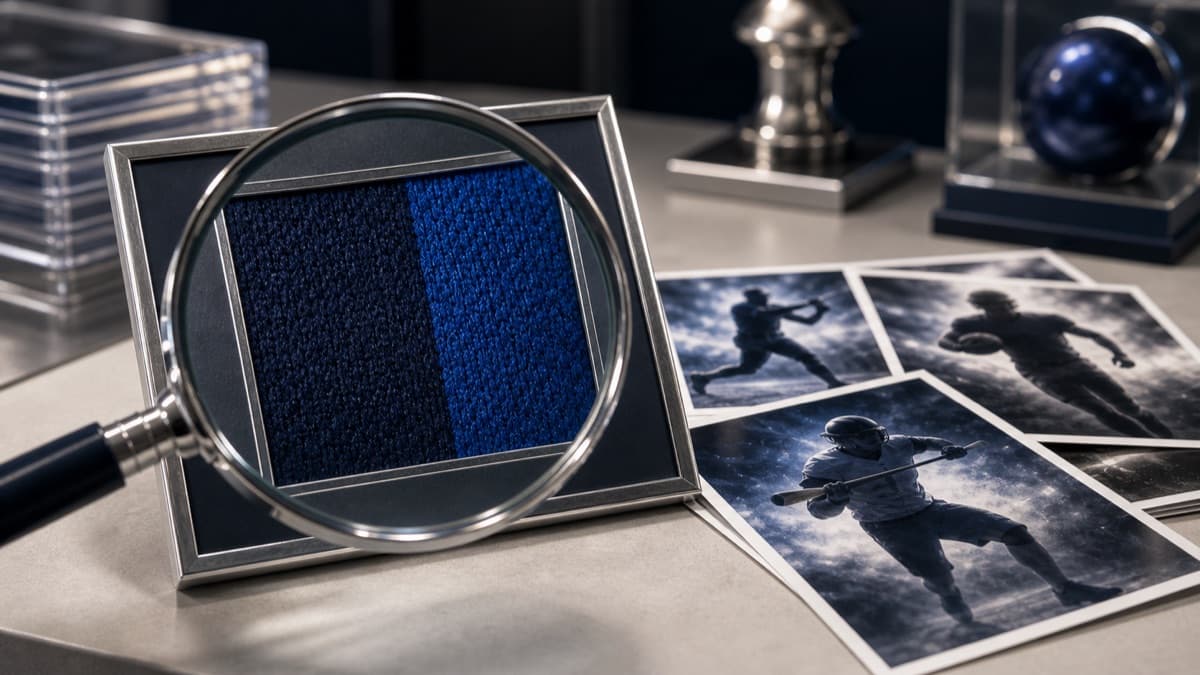
Photo matching memorabilia means comparing a physical item to photos or video from a game and identifying unique details that appear in both. Collectors value it because a strong match can connect gear to a specific player, date, event, or moment with much more confidence than a generic use claim.
We think of photo matching as evidence, not decoration. The best matches are precise, repeatable, and easy for another collector to understand when the item changes hands.
What photo matching is in game-used memorabilia
A photo match starts with the physical object. The matcher studies the jersey, bat, glove, helmet, stick, shoe, ball, or other item and looks for characteristics that would be visible in game imagery. Then they search photos or video from the relevant player, team, season, or event to see whether those same characteristics appear in the same place.
The key is specificity. A jersey style match only shows that the item is the right design. A size or tagging match may show the item is plausible. A true photo match points to details that are unlikely to repeat in the same way on another item.
For example, a loose thread on a number, a dirt mark near a logo, a repair, a crease, a scrape, a puck mark, a bat grain pattern, or a patch position can become useful if it lines up clearly in both the item and the image. The more unique the detail and the clearer the image, the stronger the match.
How matchers use unique wear points
Experienced matchers work from clusters of evidence. One mark may be interesting, but several independent points in the right locations are much better. They also consider whether the item could have changed after the photo was taken. Gear can be washed, repaired, altered, taped, re-laced, or damaged later.
Good matching also requires restraint. A shadow, fold, glare spot, or low-resolution blur can look like a mark that is not actually there. That is why the best reports show the original image, the item photo, callouts, and a plain explanation of what is being compared.
The process is strongest when the photo source is reliable and the date is known. A clear image from a game gallery, broadcast, team source, or reputable archive usually carries more weight than an undated social image with poor resolution. Even then, the match should stand on visible details rather than the reputation of the source alone.
- Location: the mark or feature appears in the same place on the item.
- Shape: the outline, angle, or pattern is specific enough to compare.
- Relationship: multiple points line up with each other, not just one isolated mark.
- Timing: the image date makes sense for the claimed use period.
- Clarity: another collector can see the evidence without being forced to imagine it.
Why a photo match can multiply memorabilia value
A strong photo match can move an item from a general category into a specific story. Instead of "game-used jersey," the collector may be looking at a jersey worn by a particular player on a particular date. If that date connects to a major performance, milestone, rivalry, postseason game, debut, or final appearance, the story can become much stronger.
Value rises because confidence rises. Buyers can see why the item matters, auction houses can describe it more precisely, and future owners have evidence they can re-check. That is especially important with expensive game-used gear, where a small change in wording can change the buyer pool. Our game worn vs game issued guide explains why those wording differences matter before a match is even considered.
The match still has to fit the market. A perfectly matched item from a less-collected player may remain affordable, while a weaker but still credible match from a heavily collected player may draw more attention. Evidence supports value, but demand decides how far that value can go.
Limits of photo matching and honest uncertainty
Not every item can be photo-matched. Some sports have limited photography, some games were poorly documented, and some equipment has too few unique features. Clean jerseys, common bats, new shoes, and backup gear can be real game-used items even when no usable image exists.
There are also levels of confidence. A definitive match, a likely match, a style match, and no match are different outcomes. Honest sellers keep those categories separate. If the evidence only shows that a jersey matches the team's style from a season, it should not be sold as if the exact jersey was proven on a specific date.
Collectors should be comfortable with uncertainty when the price reflects it. An item with strong provenance but no match may still be worth owning. An item with a weak or forced match should not be upgraded just because the word "photo-matched" appears in the listing.
How collectors should review a photo match
When reviewing a match, start by separating what you can see from what you are being told. Look at the full item photos, the source image, the date, and the marked comparison points. Then ask whether the match would still make sense if the sales description were removed.
We also like to preserve documentation. Save the match report, source links or image references, auction description, invoices, and any prior letters. If the item is valuable, printed and digital copies both matter because websites change and listings disappear. The same record-keeping mindset helps across the memorabilia categories covered in our vintage sports memorabilia guide.
If you are bidding on matched gear in our auctions or anywhere else, build your maximum price around the confidence level you actually see. A clear match deserves more trust than a vague claim, but no match removes the need to consider condition, provenance, display appeal, and your own collecting goals.
Common questions about photo matching memorabilia
Is photo matching better than a certificate? Often, yes, when the match is clear. A certificate records an opinion or source claim, while a match can let collectors verify visible evidence themselves. The strongest items may have both.
Can a fake item be photo-matched? A fake cannot honestly match the exact unique wear shown in a real image, but a bad or misleading comparison can fool people. That is why image quality, multiple match points, and a careful report matter.
Do all game-used items need a photo match? No. Many legitimate items will never be matched. Photo matching is most important when the item is expensive, the claim is specific, or the difference between game-issued and game-used would materially change the value.
Ready to hunt?
Graded slabs, sealed boxes, and live auctions — verified and insured.