Game Worn vs Game Issued: Reading Memorabilia Tags Right
July 9, 2026 · 5 min read · By BGLAD
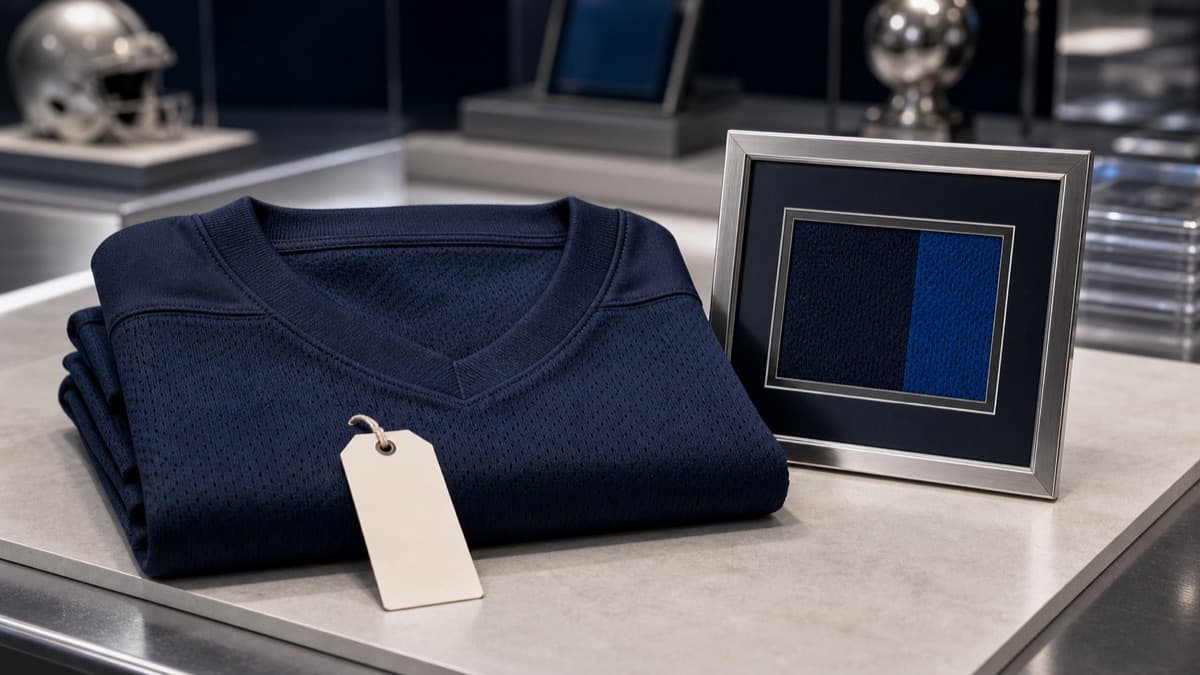
Game worn vs game issued comes down to use: game-worn gear was worn in actual competition, while game-issued gear was prepared for a player or team but may never have entered a game. The wording matters because a single phrase can change how collectors value, verify, and display the item.
We read memorabilia tags and letters slowly. The strongest pieces tell a clear story about who used the item, when it was used, how that claim is supported, and where the item has been since.
The game-used memorabilia wording ladder
Memorabilia language has a ladder, and each rung carries a different level of connection to the athlete or event. Sellers sometimes use these terms loosely, so collectors need to read the exact words instead of filling in the best possible meaning.
Game-worn generally means apparel or equipment was worn by the player during a game. Game-used can apply to items used in competition, including bats, balls, sticks, bases, helmets, jerseys, gloves, and other gear. Game-issued usually means the item was prepared for use but was not necessarily used. Team-issued may connect the item to a team inventory process, while player-worn can mean the athlete wore it outside full game action, such as during an event, photo shoot, or controlled appearance.
Those definitions can vary by sport, league, manufacturer, auction house, and authentication program. That is why the safest habit is to quote the source language exactly. If a tag says "player-worn," do not describe it as game-worn. If a letter says "team-issued," do not imply the player used it unless the paperwork also supports that claim.
Why one word changes memorabilia value
Collectors pay for connection. A jersey worn in a regular season game, playoff game, record-setting moment, debut, final season, or championship context can carry meaning that an unused issued jersey does not. The closer the item gets to a specific athlete in a specific game, the stronger the story usually becomes.
That does not make issued items worthless. A team-issued jersey can be attractive, display well, and cost less than a confirmed game-worn example. For player collectors, that may be a reasonable compromise. But the price should reflect the claim, not the claim a buyer hopes is hidden inside the wording.
This is also where card collectors can get tripped up. Memorabilia cards often use careful language on the back. Some say the enclosed material is not from any specific game, event, or season. Others make a narrower claim. If you collect relic cards, read the fine print the same way you would read a jersey tag.
Reading tags, letters, and certificates
A tag, certificate, or letter is only useful if it answers real questions. We want to know the item type, the player, the team, the season or date when available, the source of the claim, and whether the authenticator is confirming use, issuance, or only the physical characteristics of the item.
Look for careful verbs. "Worn," "used," "issued," "attributed," and "style-matched" are not the same thing. A strong listing explains the evidence instead of relying on one exciting headline. If the headline and the paperwork disagree, trust the narrower claim until better evidence appears.
- Game-worn: strongest when tied to a player, team, date, and credible provenance.
- Game-used: useful for equipment and objects that were used in competition, not simply worn.
- Game-issued: prepared for use, but actual game use is not established by the phrase alone.
- Team-issued: connected to team inventory or preparation, with player use still needing proof.
- Player-worn: worn by the athlete in some setting, but not automatically in a game.
How to verify game-worn and game-issued claims
Verification starts with matching the claim to the evidence. A basic certificate may be enough for a modest display piece, but higher-value game-used memorabilia deserves more. We look for team paperwork, league authentication, auction history, chain of custody, tagging consistency, manufacturer details, and photos that show the item in use.
Photo matching is especially powerful because it can connect a specific object to a specific image. Unique loose threads, stains, repairs, puck marks, pine tar, fabric pulls, number alignment, patch placement, or wear patterns may create a match. Our guide to photo matching memorabilia explains why that process can move an item from plausible to much more convincing.
Buying venue matters too. Reputable auction houses and specialty dealers usually provide better documentation than casual listings, but the burden is still on the collector to read. When we evaluate pieces for our auctions, we care more about the exact support behind the claim than the most exciting version of the story.
Common questions about game worn vs game issued
Is game-issued bad? No. It is just a different category. Game-issued material can be a strong fit if you like the player, team, design, or era and the price reflects the fact that game use has not been proven.
Is game-worn the same as photo-matched? No. Game-worn is a use claim; photo-matched is a type of evidence. A jersey can be described as game-worn without a public photo match, but a clear photo match usually makes the claim stronger.
What if a seller says an item is "believed to be" game-used? Treat that as uncertainty, not proof. Ask what the belief is based on, compare the details, and price the item as an attributed piece unless stronger support appears. For broader buying habits, our online safety guide applies well beyond cards.
Ready to hunt?
Graded slabs, sealed boxes, and live auctions — verified and insured.