Autograph Inscription: Value Up or Down?
July 9, 2026 · 5 min read · By BGLAD
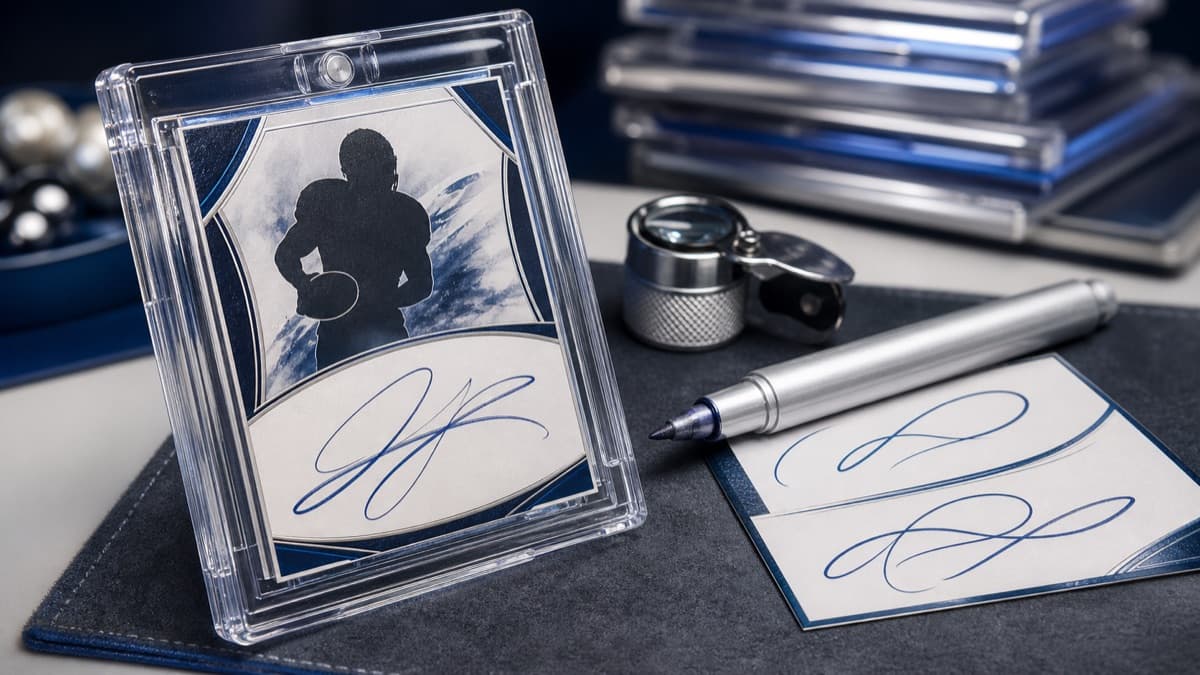
An autograph inscription is extra writing added by the signer, such as a stat, award, Hall of Fame year, nickname, Bible verse, or personalization. It can raise, lower, or barely change value depending on whether the added words make the item more meaningful to most collectors or only to one person.
We separate inscriptions into two practical groups: collectible inscriptions that add context, and personalization that narrows the buyer pool. Both can be right for a personal collection, but they should be priced and requested differently.
What counts as an autograph inscription
An inscription is any deliberate text beyond the signature. On sports items, common examples include career achievements, award references, jersey numbers, championship notes, short phrases, dates, or career milestones. Some are written because a collector requested them; others are part of a private signing menu or a player's usual signing habit.
The key is that the extra text becomes part of the autograph presentation. A bold signature with a clean Hall of Fame year can look balanced and intentional. A crowded paragraph squeezed into a small card window may look messy even if the words are interesting.
Inscriptions also affect authentication. The signature and added words should make sense together: same pen, natural flow, plausible spacing, and no obvious signs that a later owner added text. Our autograph authentication guide explains why the whole signed area matters, not just the name.
Stat inscriptions collectors usually like
A stat inscription can help when it gives the item a stronger collecting identity. A Hall of Fame year, championship note, award abbreviation, jersey number, or famous achievement can remind viewers why the athlete matters without requiring a long explanation.
The inscription still has to fit the item. A baseball with one clean stat line can display well. A small trading card with too much extra writing can lose visual balance. A photo from a specific moment may benefit from a date or achievement tied to that image, while a generic item may feel forced.
Player habits matter too. Some athletes are known for adding certain inscriptions often, while others rarely do. An inscription that is scarce for one signer may be ordinary for another. We avoid treating every added word as a premium. The question is whether the added text makes the piece more desirable to the likely buyer.
- Usually helpful: Hall of Fame years, championship notes, award references, jersey numbers, and short milestone lines.
- Sometimes helpful: nicknames, dates, position notes, or phrase inscriptions tied to the image or item.
- Often risky: long quotes, inside jokes, unclear abbreviations, or wording that crowds the signature.
- Always inspect: spelling, placement, ink strength, and whether the inscription was likely added at the same time as the autograph.
When personalization lowers autograph value
Personalization means the item is signed to a specific person, such as To Mike or Best wishes, Sarah. That can be great if Mike or Sarah is keeping it. For resale, it usually lowers value because most buyers do not want someone else's name built into the display.
The impact depends on the item and signer. A common modern signed photo personalized to an unknown person will usually have a smaller buyer pool. A scarce vintage autograph from a difficult signer may still sell well because the signature itself matters more than the name. Personalization hurts most when a non-personalized example is easy to find.
There are exceptions. If the recipient is famous, connected to the team, or part of the item's story, the personalization may add provenance instead of subtracting value. A signed item from one athlete to another can be more interesting than a plain example if the relationship is documented and the wording is clear.
Requesting inscriptions at signings
If you are requesting an inscription, decide the goal before you get in line or place the order. For a personal keepsake, ask for what will make you happy. For an item you may sell later, keep the wording short, widely understood, and easy to display.
Private signings often have rules: maximum character counts, approved phrases, added fees, or no personalization. Follow those instructions closely. If the request is too long or unclear, the result can look rushed, misspelled, or awkwardly placed.
Bring the right item for the inscription. A large photo, jersey number, baseball sweet spot, or bat barrel gives the signer room. A glossy card, small ticket, or dark item may not. If you are deciding what to get signed, our getting autographs in person guide covers practical setup, pens, and expectations.
Pricing signed items with inscriptions
There is no universal inscription multiplier. Price depends on the signer, item type, inscription wording, signature quality, authentication, and how many collectors want that exact version. A clean stat inscription can help a premium item. A sloppy or cramped inscription can hold it back.
Compare like with like when possible. A signed card with a short inscription should not be priced only against unsigned cards or plain autographs. Look at authenticated examples, similar item types, and the difference between personalized and non-personalized versions.
For cards, remember that the card still matters. A poor-condition card with a great inscription may be a fine personal collection piece but not a clean market comp. Our on-card vs sticker autograph guide is useful when the signed item is a trading card rather than a ball, photo, or jersey. If you are browsing signed inventory in our marketplace listings, read the inscription wording before comparing prices.
Common questions about autograph inscription value
Is a Hall of Fame inscription always worth more? Not always. It can help if collectors want it and the placement is clean, but common inscriptions from frequent signers may be priced close to plain autographs.
Should you remove or avoid personalized autographs? Avoid them only if resale matters to you. For a personal collection, a direct inscription can make the item better because it records your own collecting moment.
Can an inscription be authenticated separately? Often the authenticator is evaluating the full signed presentation, including the signature and surrounding writing. If the inscription looks added later or inconsistent, that can create questions even when the signature itself looks right. Our autograph ink and fading guide explains why ink consistency matters over time.
Ready to hunt?
Graded slabs, sealed boxes, and live auctions — verified and insured.