Get Autographs in Person: The Grapher's Guide
July 9, 2026 · 5 min read · By BGLAD
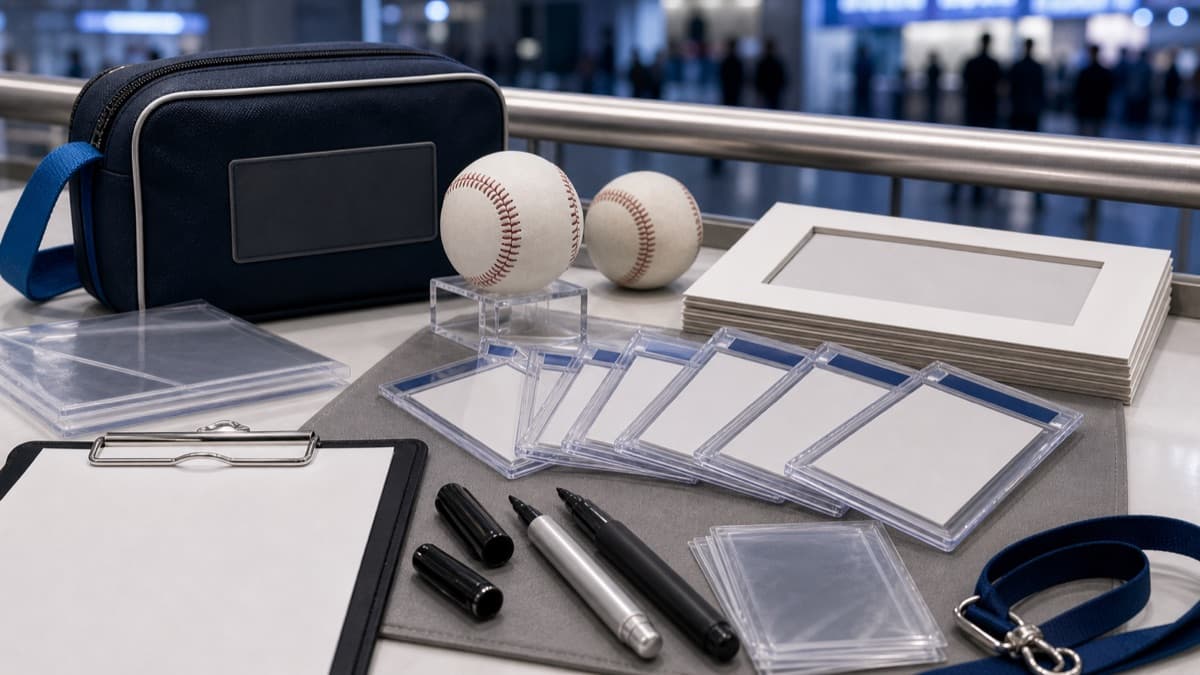
To get autographs in person, you need the right spot, reasonable timing, respectful etiquette, prepared items, and a plan for documenting the signature afterward. The best graphers make it easy for the athlete to say yes and easy for themselves to preserve what they get.
In-person autograph collecting can be rewarding, but it works only when the collector respects boundaries. We care more about clean habits than aggressive tactics because reputation follows collectors in this part of the hobby.
Best spots and timing for in-person autographs
Common autograph spots include card shows, public signings, team events, charity appearances, practices open to fans, hotel areas where access is allowed, stadium entrances, and postgame areas where players choose to stop. Rules vary by venue, team, event, and security staff, so the first job is knowing where collectors are actually permitted to stand.
Timing matters because athletes are more likely to sign when they are not rushed, not with family, not mid-meal, and not being moved by security. Before games, some players are focused and unavailable. After games, mood and schedule can decide everything. Public events are usually cleaner because the signing expectation is built into the setting.
We recommend starting with controlled environments. Card shows and announced appearances teach item prep, line etiquette, pen choice, and storage without the uncertainty of chasing. Our card shows for beginners guide is useful even when your goal is signatures rather than cards.
Autograph etiquette that actually works
Good etiquette is practical. It keeps the interaction short, clear, and respectful. Have the item ready, know where you want it signed, offer the pen, say please, accept the answer, and move on. A calm collector often gets a better result than the loudest collector in the crowd.
Do not block paths, shove items, argue, follow someone into private space, or complain when a player signs for kids first. Also avoid presenting a stack of items unless the event clearly allows it. One or two prepared items is usually more reasonable than asking for a pile.
- Ask clearly: use a short request and make the signing spot obvious.
- Keep moving: once signed, thank the person and clear space for others.
- Respect no: a declined request is not an invitation to negotiate.
- Avoid resale talk: even if you sell sometimes, do not make the moment feel transactional.
- Know the rules: venue staff, team policies, and event instructions are part of the hobby.
Pens, items, and prep before you graph
The right pen depends on the surface. Cards and glossy photos often need paint pens or markers that will not bead. Baseballs are commonly signed in ballpoint pen because many markers bleed over time. Jerseys, hats, and fabric items need ink that will show, dry, and resist smearing. Dark surfaces may need silver, gold, or paint marker, but test the pen before the signing moment.
Prep the item before you leave home. Remove plastic sleeves when needed, mark the signing area with a removable note if appropriate, bring a clipboard or backing board for photos, and carry spare pens. If a pen is new, test it. If it is a paint pen, prime it away from the item. A bad pen can turn a successful interaction into a smeared or faint signature.
Item choice matters too. Cards are easy to carry, photos display well, balls and pucks are classic, and jerseys create strong wall pieces. If you are choosing between signed cards and other signed items, our on-card vs sticker autographs guide can help you think about why signature placement and object type matter.
Protecting the autograph after it is signed
Many autographs are damaged in the first minute after signing. Ink needs time to dry, especially paint pen, marker on glossy photos, and signatures on smooth equipment. Carry holders, sleeves, tubes, ball cubes, or clean cardboard so the item does not rub against your bag, clothing, or another collectible.
Avoid stacking fresh signatures. A signed photo placed against another glossy item can transfer ink. A signed baseball tossed loose into a backpack can pick up dirt or pressure marks. A jersey folded across a fresh signature can smear. The fix is simple: give the ink air, space, and time.
Long-term care matters too. Light fades ink, heat can affect surfaces, and handling can wear signatures. Our autograph ink and fading guide explains why pen choice and storage conditions are part of the same decision.
Authenticating your own in-person autograph later
A self-obtained autograph does not automatically become easy to sell later. You know it is real because you were there, but the next collector was not. That is why records matter. Take a photo when appropriate, save the event ticket or wristband, note the date and location, and keep any signing receipt or event flyer.
Those records do not replace third-party authentication, but they help tell a clean story. If you later submit the item, the authenticator will still examine the signature. Your documentation can support provenance, especially for private signings, shows, or public events where the signing context is easy to verify.
Our autograph authentication explained guide covers what companies evaluate after the fact. If you want to compare how authenticated signed items are described, our marketplace listings can also show how certificates, stickers, item condition, and signature placement are presented to buyers.
Common questions about getting autographs in person
How many items should you bring? Bring more backup options than you plan to present, but ask for a small number. If the setting is casual, one item is often the cleanest request. At paid signings, follow the ticket rules.
Should you personalize an autograph? Personalization can make a keepsake feel better and may reduce resale demand. If the autograph is for your collection, personalization is fine. If future resale matters, understand that some buyers prefer unpersonalized signatures.
Is it okay to sell an autograph you got in person? It is your item, but be honest about what it is and how it was obtained. If you sell, describe the item clearly, keep your records, and do not turn public autograph seeking into behavior that makes access worse for other collectors.
Ready to hunt?
Graded slabs, sealed boxes, and live auctions — verified and insured.