Hobby vs Retail Boxes: What's the Difference?
July 9, 2026 · 6 min read · By BGLAD
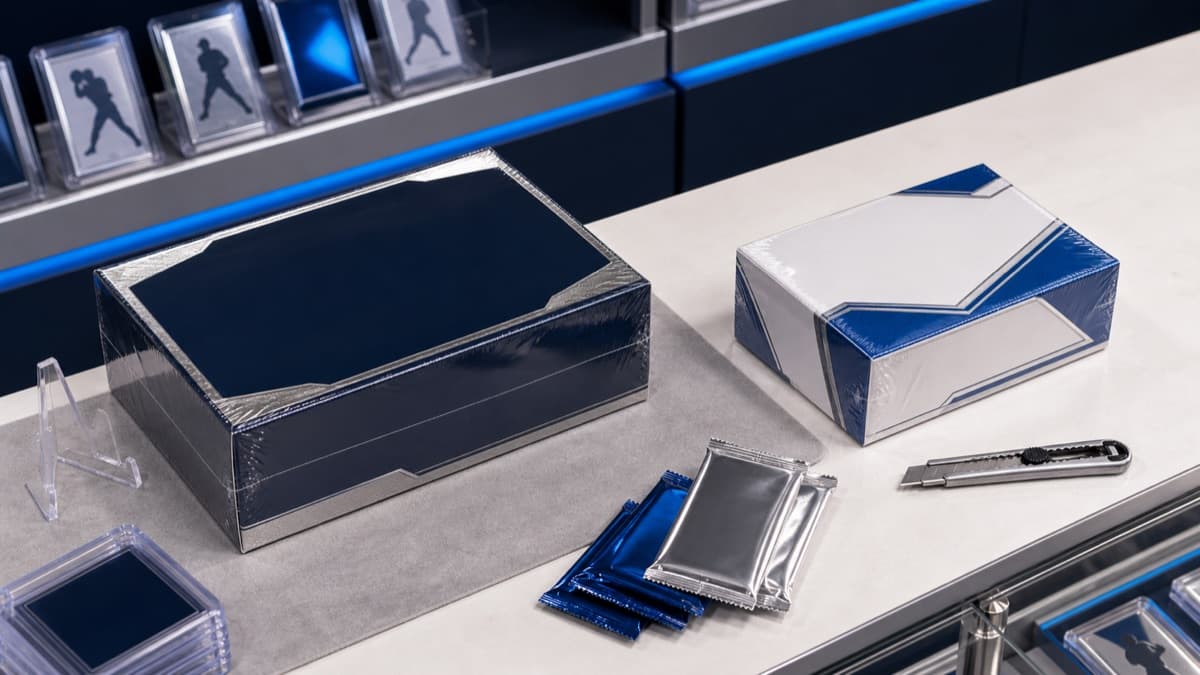
Hobby vs retail boxes comes down to where the box is sold, how the product is configured, and what kinds of pulls are possible or more likely. Hobby boxes are usually built for card shops and collectors, while retail boxes are usually built for big-box stores, online retail, and lower entry prices.
Neither format is automatically better. A hobby box may offer stronger autograph or memorabilia odds, but it also costs more. Retail can be a cheaper way to enjoy packs, build base sets, or chase exclusive parallels, but the big hits may be tougher or unavailable depending on the product.
Where hobby boxes and retail boxes are sold
A hobby box is usually distributed through hobby channels such as local card shops, authorized dealers, breakers, and specialty online sellers. These boxes often have configuration details that appeal to collectors: stated autograph expectations, hobby-only parallels, more packs, different pack counts, or higher-end card stock.
A retail box is usually sold through big-box stores, retail websites, discount formats, and mass-market channels. Retail includes blasters, hanger boxes, fat packs, value packs, mega boxes, and other formats. These products are often easier to sample at a lower price, though availability can swing by sport and release.
Before buying sealed product, read the box panel. The format name matters because a product can have hobby, jumbo, choice, retail, mega, blaster, hanger, and other versions. Our sports card terminology glossary can help decode those labels.
- Hobby box: usually sold through hobby shops, dealers, and specialty channels.
- Retail box: usually sold through mass retail channels and general online retail.
- Blaster: a common retail box with a smaller pack count.
- Mega box: a retail-style format that may include exclusive packs or parallels.
- Jumbo box: a larger hobby-style configuration in some products.
Hit odds in hobby vs retail boxes
Collectors use the word hit loosely. It can mean an autograph, relic, low-numbered parallel, case-hit insert, premium rookie, or another notable pull. The product itself defines what is possible, so the wrapper odds and checklist are more reliable than hobby shorthand.
Hobby boxes often have stronger odds for certain hits or may include guaranteed autographs or memorabilia cards. Retail boxes may have exclusive parallels or inserts, but some autograph, relic, or low-numbered cards may be harder to pull or not part of that format. This is product-specific, not a universal law.
The important idea is conceptual: hobby usually concentrates more chase content into a more expensive box, while retail usually spreads the experience across cheaper formats. That does not mean every hobby box is good value or every retail box is weak. It means the risk profile is different.
- Guaranteed hit: a stated box expectation, still subject to manufacturer terms.
- Retail exclusive: a parallel or insert only found in a retail format.
- Hobby exclusive: a card type, color, or autograph only found in hobby formats.
- Pack odds: the stated chance of pulling a card type from that pack format.
- Checklist: the map showing what cards exist in the product.
Price and value trade-offs for sealed boxes
The biggest hobby mistake is comparing only the best possible pull. A sealed box should be judged by the full experience: price, checklist depth, likely base cards, rookie class, insert appeal, hit odds, condition sensitivity, and whether you would be happy keeping the cards if the chase card does not appear.
Hobby boxes usually ask for more money upfront. That can make sense if you want the product's strongest chase structure, enjoy premium formats, or want a shot at hobby-only cards. It can be a poor fit if you are stretching your budget just to chase one player.
Retail boxes can be better for casual ripping, younger collectors, set building, or learning a product before spending more. The trade-off is that retail may produce more base cards and fewer premium hits. When we stock sealed boxes, we think about both kinds of collector: the person chasing a premium box and the person who just wants a clean, fun rip.
Which box format fits which collector
A collector building a complete base set may prefer retail because the entry price can be lower and the rip produces more ordinary cards to sort. A collector chasing autographs, low-numbered parallels, or premium rookie content may lean hobby because the chase structure is usually more concentrated.
If you collect a specific player, sealed boxes are usually the least controlled path. Buying the single is often smarter. If you collect the experience of opening packs, sealed product can be fun as long as the budget is set before the rip starts.
For beginners, we like a simple rule: buy retail to learn a product, buy hobby when you understand the checklist and can afford the downside, and buy singles when you already know the exact card you want.
- Set builders: retail can make sense for base cards and lower-cost sorting.
- Hit chasers: hobby may offer better access to premium chase content.
- Player collectors: singles are usually more efficient than sealed boxes.
- Kids and casual rips: retail formats often keep the experience accessible.
- Experienced collectors: hobby can be worth it when the checklist supports the price.
How to read a box before buying
A sealed box gives you clues before you ever open it. Look for the sport, year, product line, format, pack count, cards per pack, stated box expectations, exclusive parallels, and the fine print around odds. If you cannot tell what format it is, slow down.
Then compare the box to the checklist. Does the product have players you actually want? Are the best cards available in this format? Are you chasing numbered cards, autographs, short prints, or a full set? The answers should guide the purchase more than social media highlights.
If you do rip, open carefully and protect the best cards right away. Our guide on how to open hobby boxes covers setup, sleeves, sorting, and when wrappers or boxes are worth keeping.
- Confirm the format: hobby, retail, blaster, mega, jumbo, choice, or another version.
- Read box expectations: note any stated autographs, relics, or exclusive cards.
- Check the odds panel: odds are tied to that format, not every version of the product.
- Review the checklist: make sure the cards you want are actually possible.
- Set a ceiling: decide the budget before the sealed-box excitement starts.
Common questions about hobby vs retail boxes
Are hobby boxes always worth more than retail boxes? Usually hobby boxes cost more, but that does not mean they always return more value. The checklist, rookie class, odds, product demand, and your purchase price all matter.
Can retail boxes have autographs? Sometimes yes, but it depends on the product and format. Some retail versions include autographs or retail-exclusive hits, while others focus mostly on base cards, inserts, and retail parallels.
Should beginners start with hobby or retail? Most beginners are better off starting with retail or lower-cost formats, then moving to hobby once they understand parallels and inserts, checklists, and the real cost of chasing hits.
Ready to hunt?
Graded slabs, sealed boxes, and live auctions — verified and insured.