Graded vs Raw Prices: Understanding the Gap
July 9, 2026 · 5 min read · By BGLAD
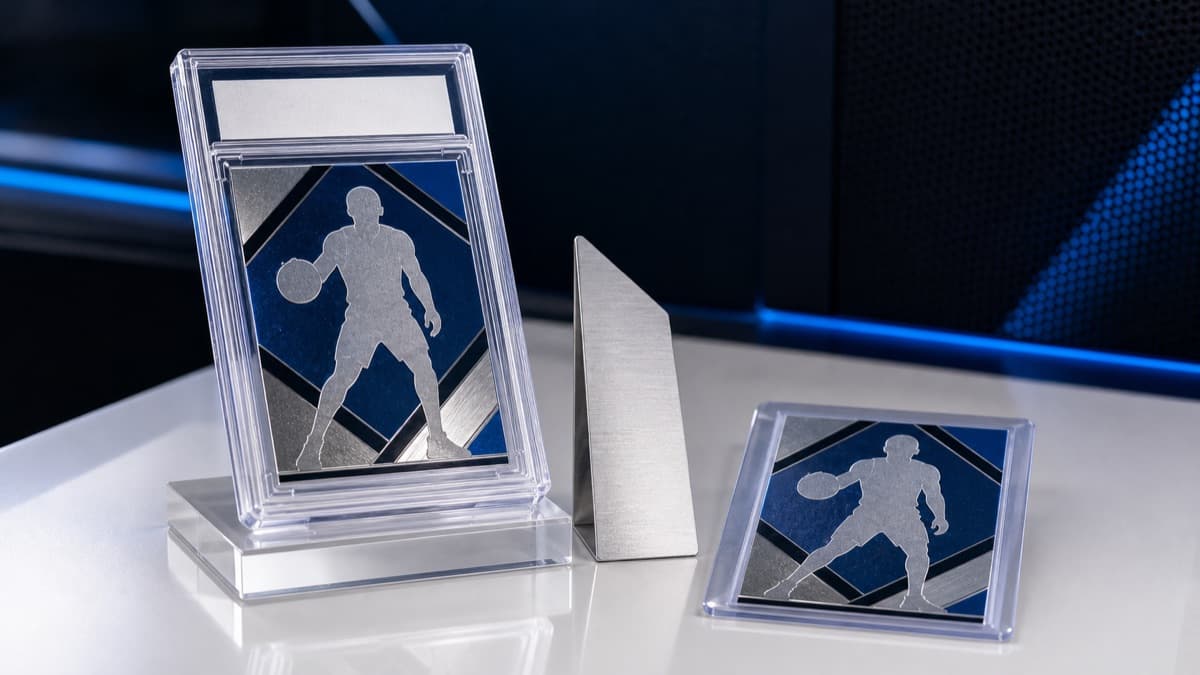
Graded vs raw prices differ because a slab reduces some uncertainty and gives buyers a common condition language. The gap is usually a mix of trust, grade scarcity, grading cost, liquidity, and the chance that a raw card will not grade as high as it looks.
We compare the two by asking what problem the slab solves. If it proves condition, authenticity, or marketability in a way buyers value, a premium can make sense; if it only adds plastic around an ordinary card, raw may be better.
Why graded card premiums exist
A graded card gives the buyer a third-party opinion on condition and, in most cases, authenticity. That does not make the card perfect, and grading companies can disagree, but the label gives the market a shared starting point. A raw card asks the buyer to rely more heavily on photos, seller reputation, and their own inspection.
That shared language is why slabs often sell faster. A PSA 10, SGC 10, BGS 9.5, or other high-grade holder can be searched, compared, and priced more easily than a raw card described as mint. Buyers may still care about centering and eye appeal inside the holder, but the grade narrows the debate.
If you are comparing companies, our guide to sports card grading companies is a useful foundation. The premium is not only the number on the label; it is also buyer confidence in that label.
- Condition signal: the grade summarizes corners, edges, surface, and centering.
- Authenticity comfort: the holder can reduce fear on commonly counterfeited cards.
- Searchability: buyers can filter by grade and company.
- Liquidity: common graded categories are easier to compare against sold comps.
Gem rate math and raw card risk
The raw-to-graded gap is really a probability problem. A raw card that looks clean might grade high, but it might also have surface lines, print marks, a soft corner, a slight wrinkle, or centering that keeps it below the seller's description. The buyer is taking that uncertainty.
Think in expected outcomes instead of best-case outcomes. If only a small share of similar raw cards are likely to gem, the raw price should not be based on the gem sale price. It should reflect the mix of possible grades after grading fees, shipping, insurance, time, and selling costs.
We avoid pretending there is one universal gem rate because it changes by issue, year, stock, production quality, and how picked-over the raw market is. The concept matters more than the exact number: raw cards should be discounted for the risk that the grade you hope for is not the grade you get.
When raw sports cards are the better buy
Raw can be the better buy when the slab premium is too large for the card's actual demand. Some cards do not need grading to be enjoyable, especially lower-value cards, set-builders, player collection pieces, and cards you plan to keep rather than resell.
Raw also works when you can inspect the card well. In person, you can tilt the card under light, check corners directly, and decide whether the condition matches the price. Online, raw buying requires more caution because photos can hide surface issues and edge wear.
A raw card may also make sense when you are not paying for someone else's optimistic grading math. If the seller prices the card close to a high-grade slab because it looks clean, they are asking you to absorb the risk while they keep much of the reward.
Before submitting raw cards, use the decision process in is grading worth it. The right question is not whether a card can grade high; it is whether the realistic graded value beats the raw value plus the full cost and risk.
Using graded and raw comps together
Do not compare raw and graded sales as if they are the same product. Start with exact graded comps when pricing a slab and exact raw comps when pricing a raw card. Then use the other side only as context.
For graded cards, population can help explain the premium, but it should not replace demand. A low-pop slab matters most when collectors already want the card. Our article on population reports explains why graded supply is useful but incomplete.
For raw cards, study photos and descriptions carefully. If every raw copy sells near the same range, that range may be the market. If one raw copy sells much higher because the seller claims it is a grading candidate, be careful. Buyers often pay too much for the dream of a grade.
When you want a slab because you value the certainty, browsing our graded slab selection can help you compare card type, grade, company, and asking price in one place.
- Match the exact card, parallel, and grade before using a comp.
- Treat raw condition claims as opinions until photos support them.
- Subtract grading cost and risk before paying near slab prices.
- Pay extra for a slab only when the market also pays extra.
Common questions about graded vs raw prices
Are graded cards always worth more than raw cards? No. A low-grade slab, unpopular card, or common issue may not earn enough premium to justify grading. Sometimes the raw copy is easier to enjoy and easier to price fairly.
Why is a PSA 10 so much higher than a PSA 9? In many modern markets, buyers pay sharply for top grades because they want the cleanest label and easiest resale comparison. The size of the gap depends on demand, supply, and how difficult the card is to grade.
Should beginners buy graded or raw? Beginners often benefit from buying some graded examples to learn condition standards, then buying raw more confidently later. The best choice depends on budget, card value, and how much condition risk you want to carry.
Ready to hunt?
Graded slabs, sealed boxes, and live auctions — verified and insured.