International Card Shipping: Customs & Risk
July 9, 2026 · 5 min read · By BGLAD
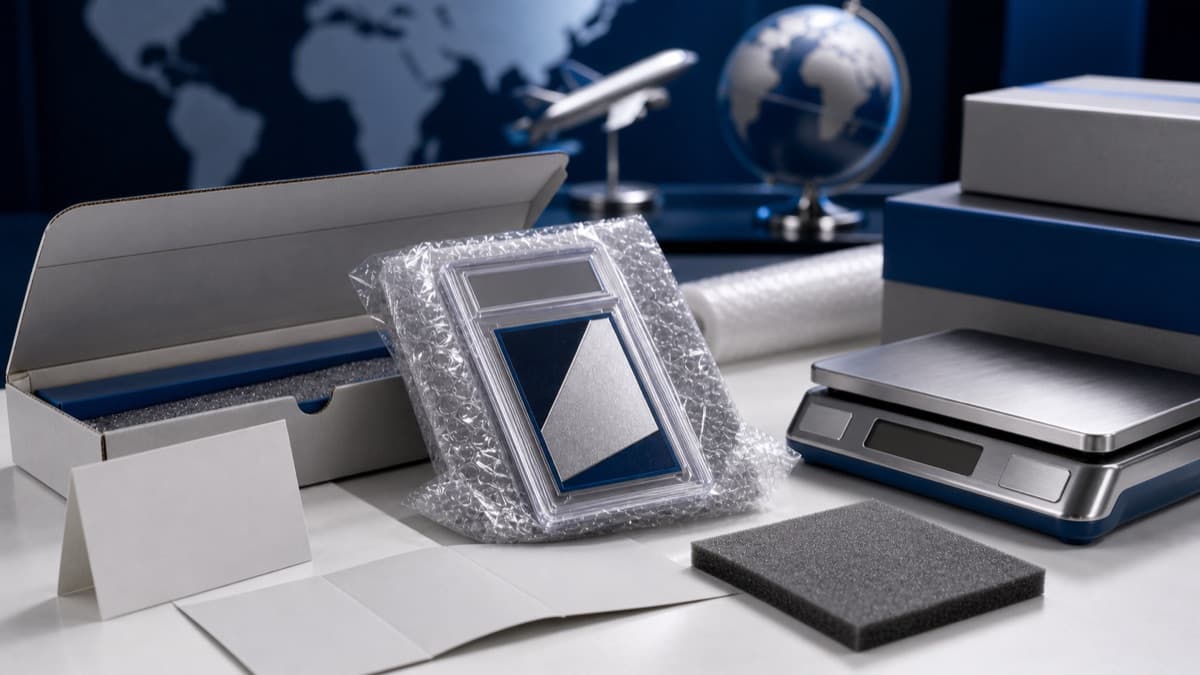
International card shipping is worth considering when the card is hard to find, the seller is trustworthy, and the total landed cost still makes sense after fees, timing, and risk. Before buying across borders, confirm who handles customs charges, what service is used, and what happens if the package is delayed or damaged.
Cross-border deals can open up inventory you will not find locally. They also add more places for a simple transaction to become complicated.
International card shipping costs and timing
The price you see on the listing is not always the price you pay. International deals may include postage, insurance, carrier brokerage fees, duties, taxes, currency conversion, and platform fees. Some charges appear at checkout. Others may be collected by the carrier before delivery or billed afterward, depending on the route and current rules.
Timing is less predictable too. A domestic card can still be delayed, but international packages may pass through export processing, airline handoff, import customs, carrier transfer, and local delivery. Tracking can go quiet between scans. That does not always mean the package is lost, but it does mean you need patience and a clear dispute window.
Rules and carrier practices change, so avoid building a deal around old assumptions. For a broad view of how different regions behave in the hobby, our article on international sports card markets is useful context.
- Ask whether duties, taxes, or brokerage fees are included at checkout.
- Confirm the shipping service, tracking level, insurance, and delivery estimate.
- Check whether the seller has shipped cards to your country before.
- Leave room for delays before planning a quick resale or grading submission.
Customs forms for trading cards in plain terms
Customs paperwork tells border authorities what is in the package, what it is worth, where it came from, and why it is being shipped. For cards, the description should be clear enough to identify the contents without exaggeration or evasive wording. A sale should not be marked as a gift just to reduce fees.
Declared value matters because it can affect duties, taxes, insurance, and claims. Undervaluing a package may seem tempting until the card is lost or damaged and the paperwork says it was worth far less than the actual deal. We would rather see accurate paperwork than a short-term shortcut that creates a bigger problem later.
Buyers and sellers should agree on paperwork expectations before payment. If the seller refuses to declare the shipment accurately, that is part of the risk. If the buyer demands inaccurate paperwork, that is a reason for the seller to walk away.
Packaging and insurance for cross-border card deals
International shipping exposes cards to more handling. The packaging should match the value and format of the card: penny sleeve, top loader or card saver, team bag, cardboard reinforcement, bubble mailer or box, and enough structure that the card cannot slide or bend. Slabs need padding around the holder, not just a thin envelope.
Insurance is not automatic protection unless the declared value, service rules, and documentation line up. Some carriers exclude or limit collectibles. Some claims require proof of value, proof of damage, and original packaging. Ask before assuming the card is covered.
For higher-value cards, we prefer trackable services with clear custody and delivery confirmation. That costs more, but the cheapest international shipping option can be a poor match for an irreplaceable card. Our shipping sports cards safely guide covers packaging fundamentals that matter even more across borders.
- Use rigid protection for raw cards and padding around slabs.
- Keep photos of the card and packaging before shipment.
- Match insurance to the declared value and carrier rules.
- Avoid services with weak tracking on cards you cannot afford to lose.
Currency, returns, and payment risk in international card buying
Currency conversion can quietly change the deal. Check whether the platform, card issuer, or payment provider is setting the exchange rate and whether extra foreign transaction fees apply. A small percentage can matter on a meaningful card.
Returns are harder internationally. Return shipping may be expensive, customs paperwork may be required again, and refund timing can stretch out. If the card arrives with undisclosed damage, you want the listing photos, messages, payment record, and unboxing photos ready before starting a dispute.
Payment protection is especially important when the seller is outside your normal legal and platform comfort zone. Stay inside protected platforms when possible. If the seller pushes for a direct payment method with no buyer protection, the discount needs to be large enough to justify the risk, and often it still is not worth it.
When the international card deal stops being worth it
A cross-border deal stops being worth it when the total landed cost approaches or exceeds the price of a cleaner domestic alternative. Total landed cost means the card price plus shipping, duties, taxes, brokerage, currency fees, insurance, return risk, and your time.
Scarcity can justify more friction. If the card rarely appears in your country, a higher shipping cost may be acceptable. But if similar copies are available domestically, international risk needs a reason. A small sticker-price discount is not enough if one customs bill or return problem erases it.
This is where a walk-away number helps. Decide the maximum all-in number before making the offer. If the seller cannot answer basic shipping and customs questions, lower the number or pass. The same discipline applies to negotiation generally, as we explain in negotiating card deals.
Common questions about international card shipping
Who pays customs fees on international card deals? It depends on the platform terms, carrier setup, destination rules, and agreement between buyer and seller. Buyers should confirm whether fees are included before payment, not after the package is already moving.
Should sellers mark cards as gifts? If the shipment is a sale, it should not be mislabeled to avoid fees. Accurate customs paperwork protects the transaction, the insurance claim, and the seller's account standing.
Is it safe to buy cards from another country? It can be, but the seller, platform, shipping method, paperwork, and total landed cost need to make sense. If you want lower-friction inventory, compare available graded slabs before taking on cross-border risk.
Ready to hunt?
Graded slabs, sealed boxes, and live auctions — verified and insured.